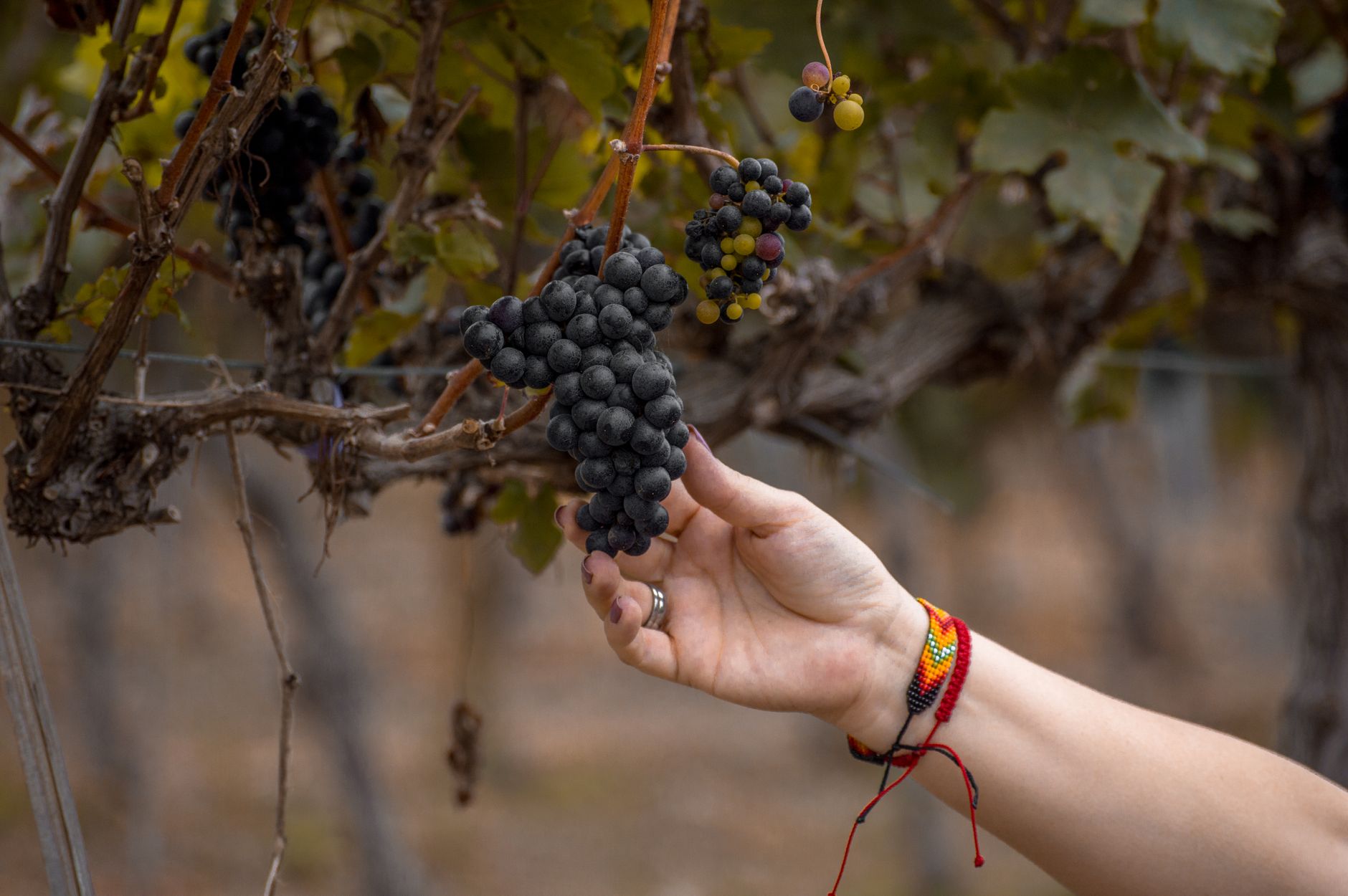
Most wine lovers are curious, at some point, about how wine is actually made. The process is older than recorded history, yet the basic chemistry has changed surprisingly little. What follows is an overview of the journey from grape to glass.
It Starts with the Grapes
Wine begins in the vineyard. The quality and character of the wine are largely determined before the grapes ever reach the winery. Soil type, climate, elevation, vine age, and viticultural practices all influence what the winemaker has to work with. This complex relationship between a place and the character of its grapes is what the French call terroir.
Harvest timing is critical. Grapes picked too early will be high in acidity and low in sugar, producing wine that tastes sharp and thin. Grapes picked too late will have excess sugar but diminished acidity, producing wines that can taste flat or overly alcoholic. The winemaker's goal is to harvest at the moment of optimal balance — and that window can be very narrow.
Crushing
Once harvested, the grapes are crushed to release their juice. Modern wineries use mechanical crushers that gently break the grape skins without grinding seeds and stems into the juice, which would add harsh, bitter flavors. The traditional foot-crush — where grapes are trodden to release their juice — is still used by a small number of producers for specific wines; it is prized for its gentleness on the fruit and skins.
For white wine, the grape skins are typically separated from the juice immediately after crushing. The juice ferments without the skins. For red wine, the skins remain in contact with the juice throughout fermentation — this is where red wine gets its color, tannins, and much of its structure.
Fermentation
Fermentation is where grape juice becomes wine. Yeast (either naturally occurring on the grape skins or a selected commercial strain added by the winemaker) consumes the sugars in the grape juice and converts them into alcohol and carbon dioxide. The process typically takes one to two weeks for dry wines, though some winemaking styles intentionally slow or stop fermentation to retain residual sweetness.
The winemaker makes dozens of decisions during fermentation: fermentation temperature, type of vessel (stainless steel, concrete, oak), whether to use wild or cultivated yeast, and how long to leave the skins in contact with the wine for reds. Each decision shapes the final character of the wine.
Clarification and Filtration
After fermentation, wine is typically cloudy with suspended yeast cells, grape particles, and other solids. Clarification involves removing these particles, either through settling (racking the clear wine off the sediment), filtration through a fine membrane, or fining — adding a substance such as bentonite clay or egg whites that binds to the suspended particles and causes them to settle out.
Some winemakers choose to minimize intervention here, bottling wine with minimal filtration to preserve certain compounds they believe contribute to complexity and aging potential. Others filter thoroughly for clarity and stability.
Aging
Many wines undergo a period of aging before bottling, either in oak barrels, stainless steel tanks, concrete vessels, or some combination. Oak aging introduces tannins, oxygen (slowly, through the barrel's porous wood), and flavors — vanilla, spice, toast, coconut — that become integrated into the wine's character. The size of the barrel, the origin of the oak (French or American are most common), and whether the barrel is new or previously used all affect the degree of influence.
Stainless steel and concrete aging preserve the wine's fresh fruit character without adding oak flavors. Many aromatic white wines are aged and bottled entirely in stainless steel.
Bottling
Once the winemaker decides the wine is ready, it's bottled, labeled, and sealed. The choice of closure — cork, screwcap, glass stopper — affects how the wine will continue to age in the bottle. Natural cork allows a tiny amount of oxygen in over time, which many winemakers believe contributes to the development of complex aged character. Screwcaps create a nearly airtight seal, which is excellent for wines meant to be consumed young and fresh.
After bottling, some wines are released immediately; others spend additional time in bottle at the winery before release. And some wines continue to develop and improve for years or decades after purchase — which is the reason wine collecting exists.