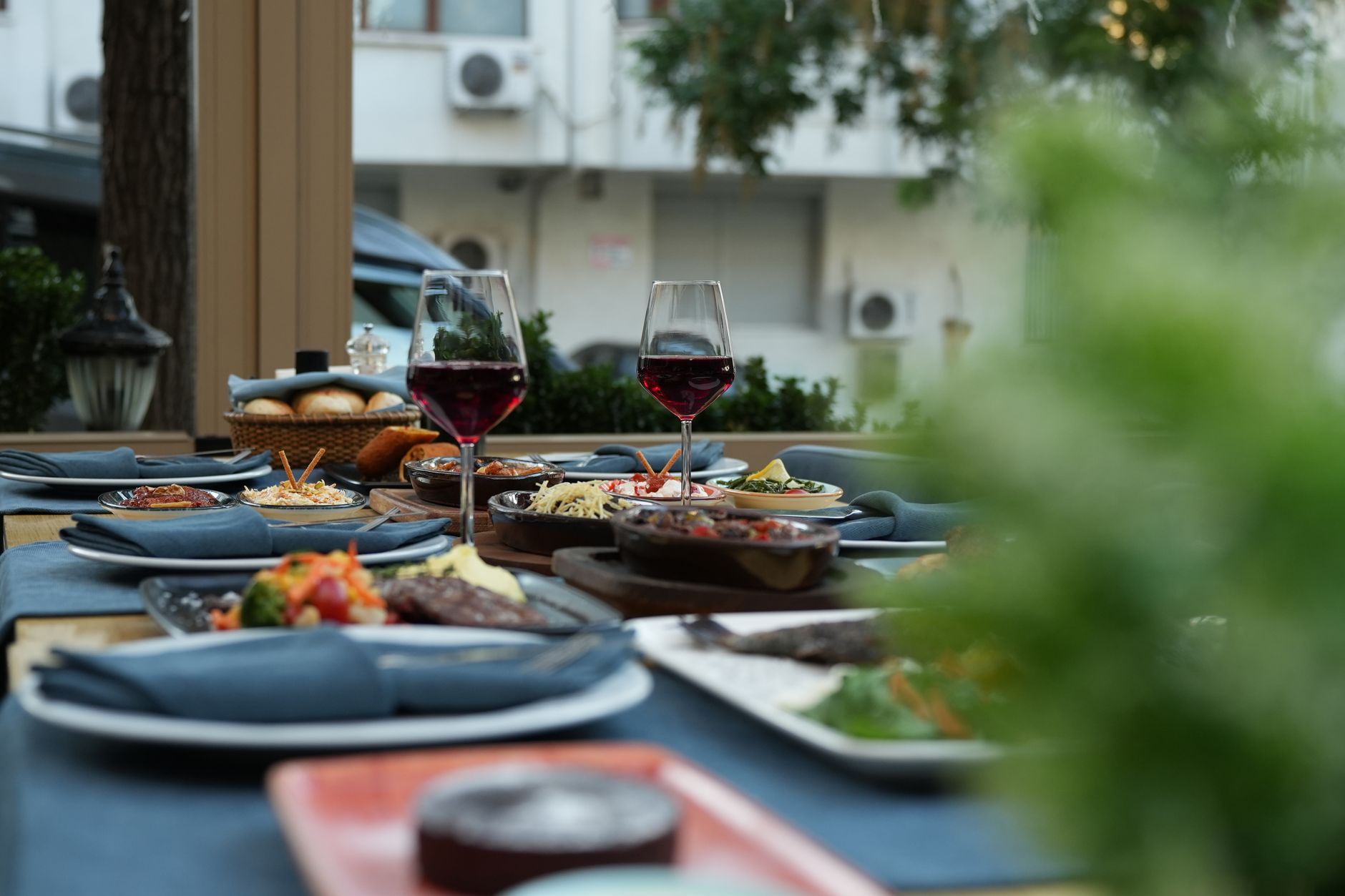
Pairing is balance, not a rulebook
Wine and food pairing works best when it is treated as balance rather than obedience. There are classic combinations for a reason, but no pairing rule applies to every dish, every bottle, or every palate. The most useful principles are weight, intensity, acidity, sweetness, tannin, fat, salt, spice, and regional context.
Start with the dish, not the protein. Chicken can be poached, fried, smoked, roasted with herbs, cooked in cream, or served with chili sauce, and each version asks for a different wine. Sauce, seasoning, cooking method, and texture usually matter more than the headline ingredient.
Match weight and intensity
Light foods generally work with lighter wines, while rich dishes can handle fuller wines. A delicate white fish may be overwhelmed by a powerful red, while a grilled steak may flatten a fragile white. Weight includes body, alcohol, tannin, oak, sweetness, and concentration.
Intensity is about flavor volume. A salad with lemon vinaigrette is intense because of acid even if it is light. Barbecue is intense because of smoke, sweetness, spice, and char. Pairing succeeds when the wine can meet the dish without dominating it or disappearing.
Use acidity as a bridge
Acidity is one of the most reliable pairing tools. High-acid wines refresh the palate, cut through fat, and echo acidic ingredients such as lemon, vinegar, tomatoes, and goat cheese. Sauvignon Blanc with goat cheese, Champagne with fried foods, and Chianti with tomato-based pasta all work partly because of acid.
A wine should usually be at least as acidic as the dish. If the food is brighter than the wine, the wine may taste dull or flabby. This is why crisp whites, dry rosés, and many Italian reds are so versatile at the table.
Tannin, fat, salt, and protein
Tannin binds with proteins and can feel softer alongside fatty or protein-rich foods. This is why structured reds often work with steak, lamb, aged cheese, or slow-cooked meat. The food softens the drying sensation, while the wine refreshes the richness.
Tannin can clash with bitterness, chili heat, and delicate fish oils. A heavily tannic red with spicy food may feel more astringent and hotter. Salt, however, is friendly to many wines: it can soften bitterness, lift fruit, and make high-acid or sparkling wines feel even more refreshing.
Sweetness and spice
Spicy food often works better with wines that are lower in alcohol, high in acidity, and slightly sweet. Riesling, Chenin Blanc, Moscato, off-dry rosé, and lightly sweet sparkling wines can calm heat while matching aromatic intensity. High alcohol can make chili burn feel stronger.
Sweet foods need wines at least as sweet as the dish. A dry wine with dessert can taste sour or thin. Sweet wines also work with salty cheeses, foie gras, fruit tarts, and spicy dishes when acidity keeps the pairing lively.
Regional pairings
Food and wine from the same region often work together because they evolved around similar ingredients, climates, and habits. Muscadet with oysters, Chianti with Tuscan tomato and meat dishes, Rioja with lamb, Sherry with olives and almonds, and Provence rosé with Mediterranean vegetables are not accidents.
Regional pairing is not mandatory, but it is a helpful shortcut. When stuck, ask what people eat where the wine is made. The answer will usually point you toward ingredients, cooking methods, and levels of richness that make sense.