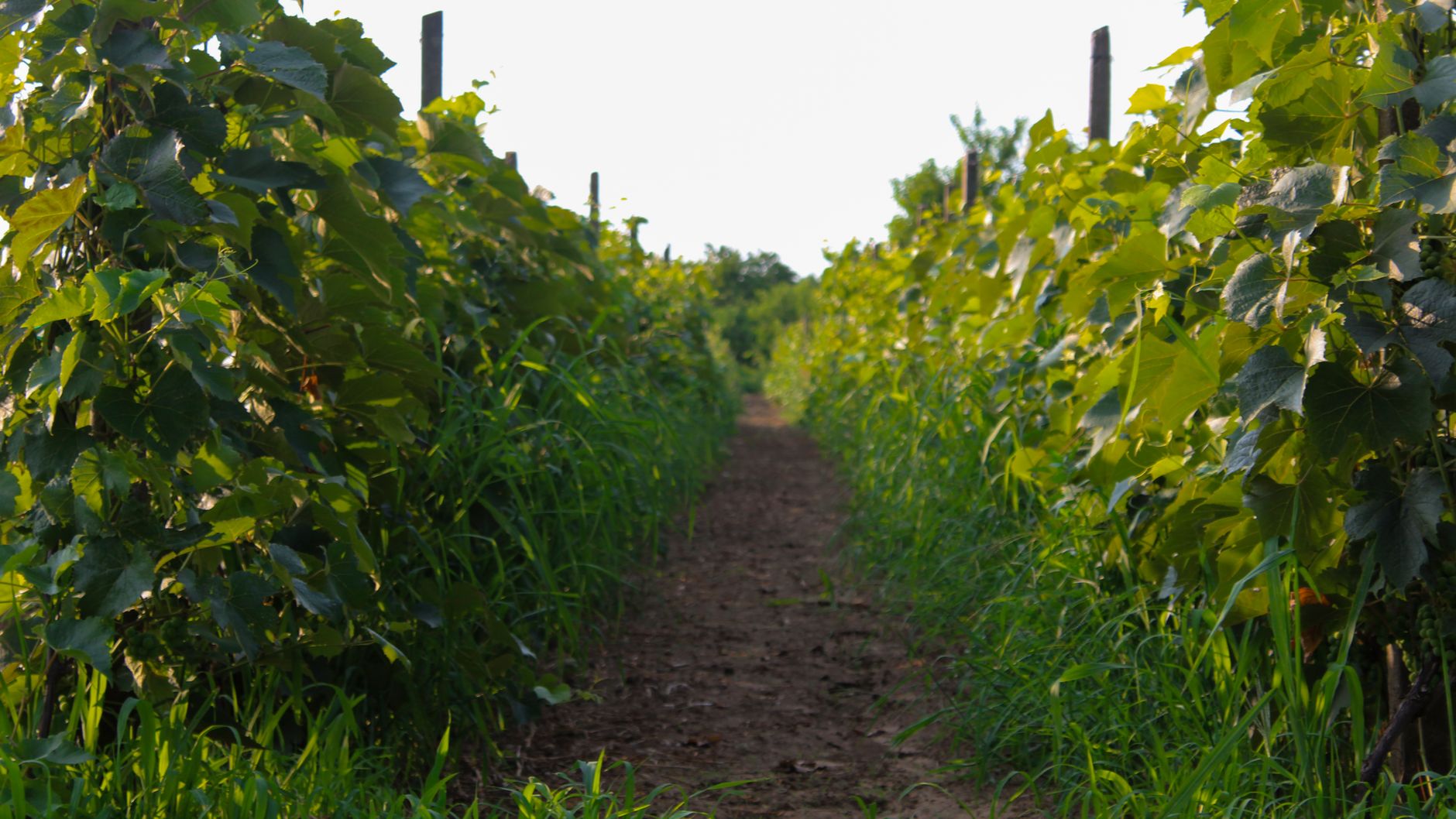
Three terms that are often confused
Organic, biodynamic, and natural wine are often grouped together because they all respond to concerns about farming, additives, and industrial standardization. They can overlap, but they are not synonyms. Organic is mainly about regulated farming and permitted inputs. Biodynamic is a holistic farming system with its own preparations and certification bodies. Natural wine is a low-intervention philosophy with less uniform legal definition.
A wine can be organic but not natural. It can be biodynamic and still use careful cellar additions. It can be natural in spirit without formal certification. Understanding the differences helps avoid both cynicism and blind trust. The label term matters, but the producer's actual practice matters more.
Organic wine
Organic viticulture restricts synthetic pesticides, herbicides, fertilizers, and other inputs in the vineyard according to a certifying standard. The exact rules vary by country. Some labels distinguish between wine made from organic grapes and wine certified organic, especially where sulfite additions and cellar rules differ.
Organic farming does not automatically mean the wine tastes a certain way. It also does not guarantee small production, low alcohol, no additives, or no sulfur. It tells you that the vineyard work met a defined standard. That is meaningful, but it is one part of a larger picture.
Biodynamic wine
Biodynamic farming builds on organic principles and treats the farm as an interconnected organism. It uses compost preparations, biodiversity, soil health, animal integration where possible, and calendars tied to lunar or cosmic rhythms. Certification may come through organizations such as Demeter or other regional bodies.
Some drinkers value biodynamics for its farming discipline and attention to soil life; others are skeptical of its more spiritual elements. In practical terms, many biodynamic producers are highly attentive farmers. The resulting wines can be conventional or low-intervention in the cellar depending on producer choices.
Natural wine
Natural wine is the least legally uniform term. It usually implies organically or biodynamically farmed grapes, native-yeast fermentation, minimal additions, little or no fining and filtration, and low or no added sulfur. But because definitions vary, one producer's natural wine may differ from another's.
Natural wine can be clean, precise, and expressive. It can also be cloudy, volatile, oxidative, fizzy, or inconsistent. Those traits are not automatically virtues or faults; they need to be judged in the glass. The best natural wines feel alive and coherent, not merely unconventional.
How to read claims carefully
Look for specific language. Certified organic is different from practicing organic. Biodynamic certification is different from using biodynamic ideas. No added sulfites is different from sulfite-free. Unfiltered is different from unstable. Low intervention is a philosophy, not a lab analysis.
The most useful question is not which category is best. It is what the producer does in the vineyard and cellar, and whether those choices make a balanced wine. These terms can guide exploration, but they should not replace tasting, transparency, and context.