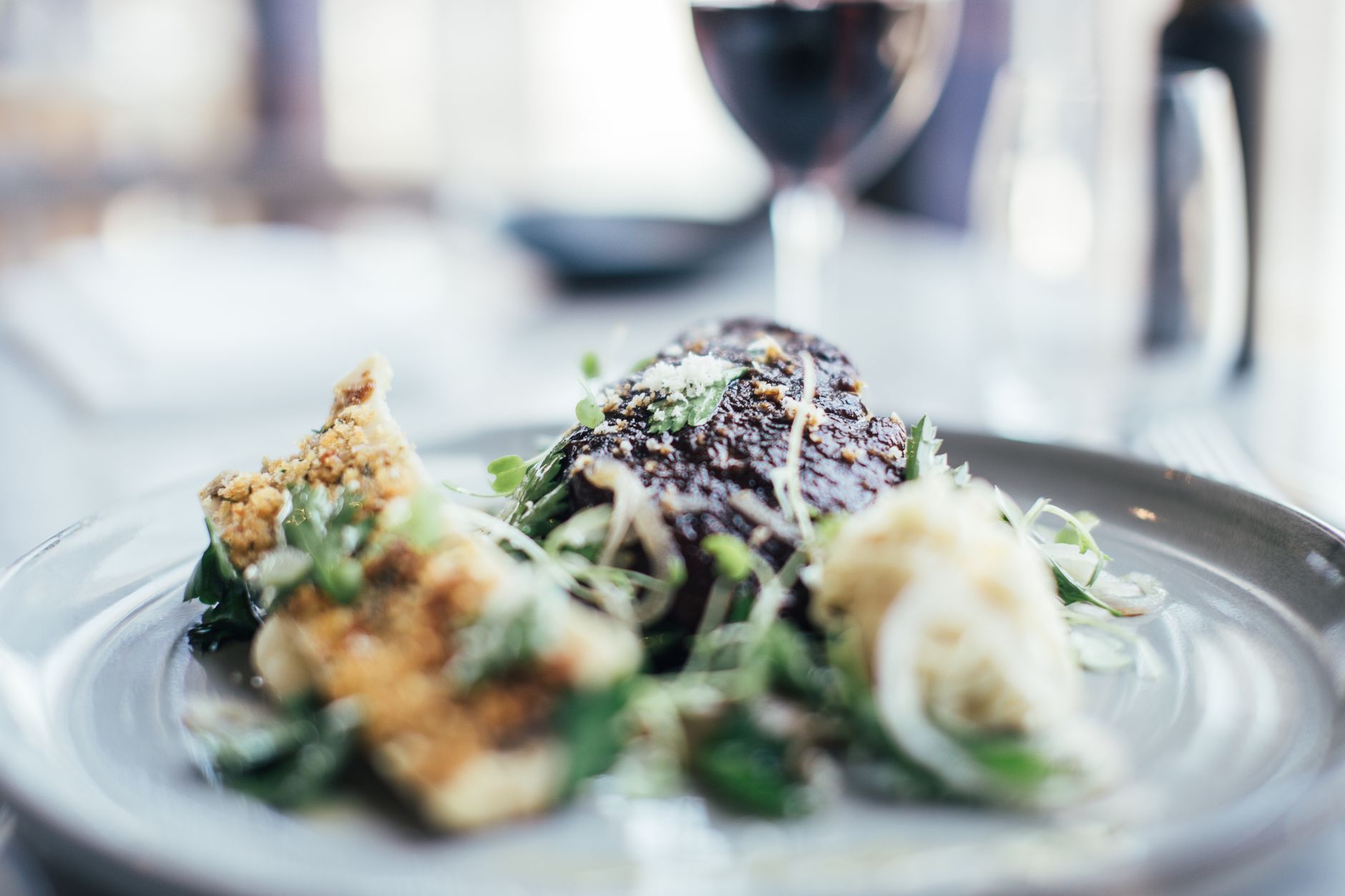
Wine pairing works best when it starts with the food on the plate, not with a fixed rule about red wine or white wine. For lamb, the most useful questions are: how rich is the dish, how acidic or salty is it, how much sweetness or chili heat is present, and what sauce or condiment dominates the final bite?
This page is intended as a practical Encyclopedia of Wine reference. It gives reliable starting points, not mandatory matches.
Foods and preparations covered
- Grilled lamb chops
- Roast leg of lamb
- Braised lamb shanks
- Mint, rosemary, garlic, yogurt, tomato, and north african spice preparations
Pairing logic
- Lamb has distinctive savory richness that pairs well with wines showing structure, herbal notes, or earthy complexity.
- Rosemary, thyme, garlic, and char often favor mediterranean reds.
- Braising adds weight and can support fuller reds.
- Yogurt, lemon, and spice can shift the pairing toward acidity and moderate alcohol.
Reliable starting points
- Syrah, Grenache blends, Rioja, Bordeaux blends, Chianti Classico, and Cabernet Sauvignon for roast or grilled lamb.
- Nebbiolo, aged Rioja, Brunello, or Northern Rhône Syrah for braised lamb.
- Rosé, Cinsault, Grenache, or lighter reds for lamb with yogurt, herbs, or lighter Mediterranean preparations.
- Off-dry Riesling or aromatic whites when chili heat and sweet spice dominate.
Pairings to approach carefully
- Very delicate whites with heavily seasoned roast lamb.
- Very high alcohol reds with hot spice.
- Treating mint sauce as a minor detail; sweet or vinegary condiments can change the pairing.
Useful examples
- Rosemary lamb chops with Syrah or Rioja.
- Roast lamb with Bordeaux blend or Chianti Classico.
- Braised lamb shank with Nebbiolo, Syrah, or Brunello.
- Lamb kebabs with Grenache, rosé, or Cabernet Franc.
- Lamb tagine with Grenache blend, dry rosé, or off-dry Riesling.
Why these pairings work
The goal is balance. Acidity can refresh fat, salt, and fried textures. Sweetness can soften the perception of chili heat and can help with desserts or sweet glazes. Tannin can feel smoother with fatty protein but sharper with heat, bitterness, or delicate foods. Body should usually follow the weight of the dish. Aromatic intensity should also be considered: a quiet wine can disappear next to a loud sauce, while a powerful wine can overwhelm a delicate preparation.
Common mistakes
- Pairing by the main ingredient while ignoring sauce, garnish, or cooking method.
- Choosing the most prestigious wine rather than the most useful wine.
- Assuming that color alone decides the pairing.
- Forgetting that salt, acidity, sweetness, chili heat, smoke, and umami can change how wine tastes.