Overview
Wine labels are not written in one universal language. A French label may emphasize place. A U.S. label may emphasize grape variety. A German label may include region, grape, ripeness, and sweetness clues. An Italian label may combine a place name, DOC/DOCG category, grape, and producer. Learning labels by country helps consumers find the information that matters.
This article is not a legal compliance guide. It is a practical reading guide for beginners.
France
French labels often lead with appellation or place. A bottle of Sancerre may not say Sauvignon Blanc prominently, because the place name carries grape and style expectations. A bottle of Bourgogne may emphasize regional, village, or vineyard origin. Bordeaux labels often foreground chateau, appellation, vintage, and classification language.
The consumer skill is to learn what the place implies. Champagne, Chablis, Sancerre, Margaux, and Chateauneuf-du-Pape are not grape names; they are protected origin names associated with particular rules and styles.
Italy
Italian labels may include DOC, DOCG, DOP, IGT, grape names, regional names, and traditional terms such as Classico or Riserva. Some labels are place-led, such as Barolo or Brunello di Montalcino. Others are grape-led or brand-led.
The consumer skill is to identify whether the main word is a place, a grape, a style, or a producer. Chianti Classico, Soave, Etna Rosso, and Prosecco are not interchangeable categories; each belongs to its own region and rule set.
Spain
Spanish labels often include region and aging terms. Rioja Reserva, Ribera del Duero Crianza, Cava Brut, Rias Baixas Albarino, and Jerez-Xeres-Sherry all point to different systems. Aging terms such as Crianza, Reserva, and Gran Reserva are especially important for many red wines.
The consumer skill is to separate origin from aging. Rioja tells you the region; Reserva tells you something about maturation category.
Germany
German labels can include grape, region, vineyard, Pradikat term, sweetness indicator, and producer. Riesling, Mosel, Kabinett, trocken, and Grosses Gewachs each provide different information. The label may look long because it carries several layers.
The consumer skill is to look for grape, dryness clue, and alcohol level. These often help more than trying to memorize every word.
United States
U.S. labels often emphasize grape variety and appellation. A label might say Cabernet Sauvignon, Napa Valley, 2022. The AVA tells origin; the grape tells variety; the producer tells style. U.S. labels may also use estate bottled, vineyard designations, or broader state/county appellations.
The consumer skill is to read variety and place together. "Pinot Noir, Willamette Valley" is more informative than either term alone.
Portugal
Portuguese labels can be region-led, style-led, or producer-led. Port and Madeira have their own style language, while dry wines from Douro, Dao, Vinho Verde, Alentejo, and other regions may emphasize place, blend, or grape. Native grape names can be unfamiliar to beginners, so region and style clues are often useful first.
New World labels
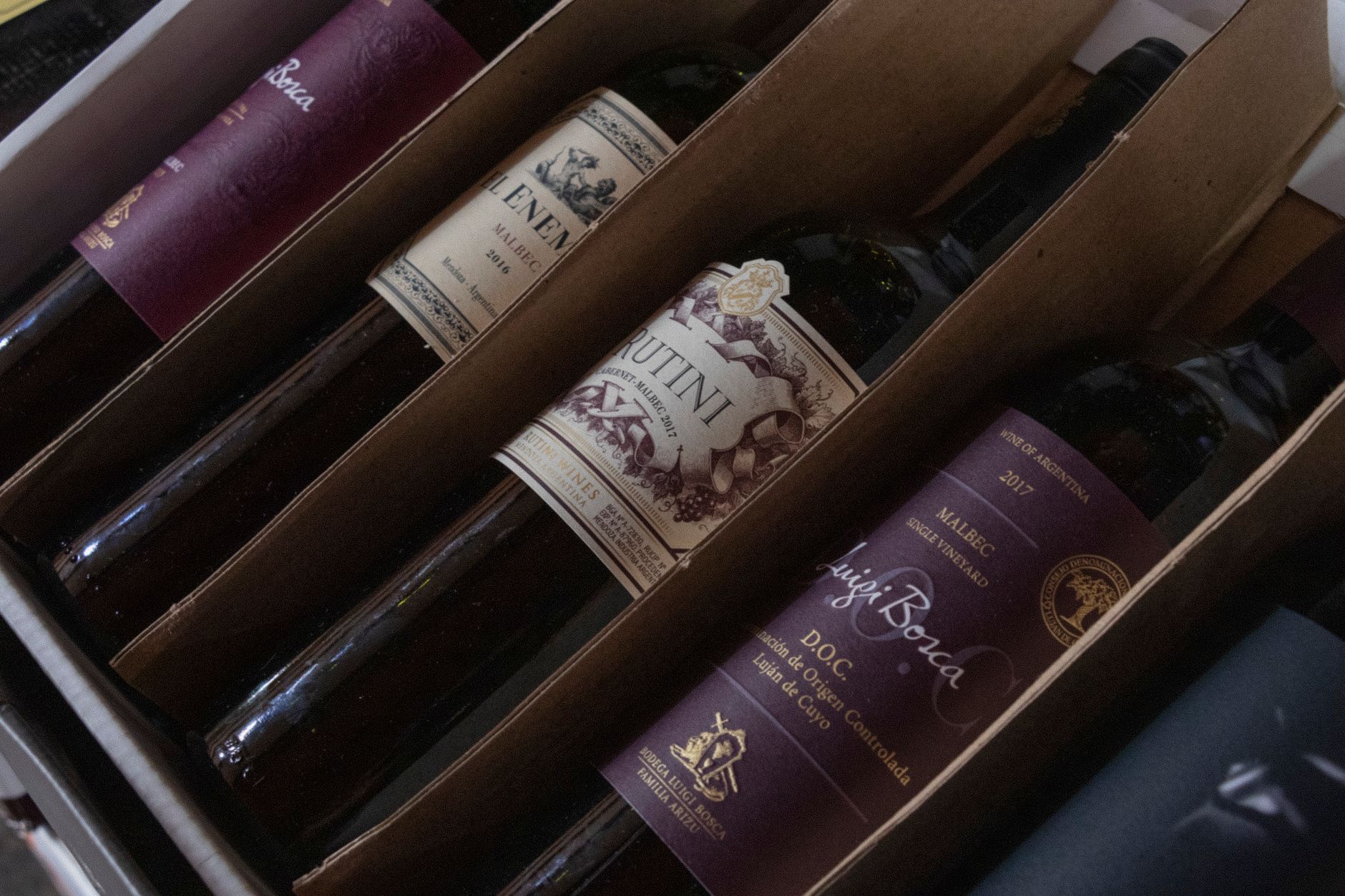
Australia, New Zealand, Chile, Argentina, and South Africa often use grape variety prominently, along with region. Marlborough Sauvignon Blanc, Mendoza Malbec, Barossa Shiraz, Stellenbosch Cabernet Sauvignon, and Central Otago Pinot Noir are common learning anchors. But these countries also have regional and legal systems that should not be ignored.
Editorial status
Draft prepared for CC editorial/source review. Do not publish as legal advice. Verify jurisdiction-sensitive names, classifications, label terms, and protected-origin rules against current official specifications before publication.