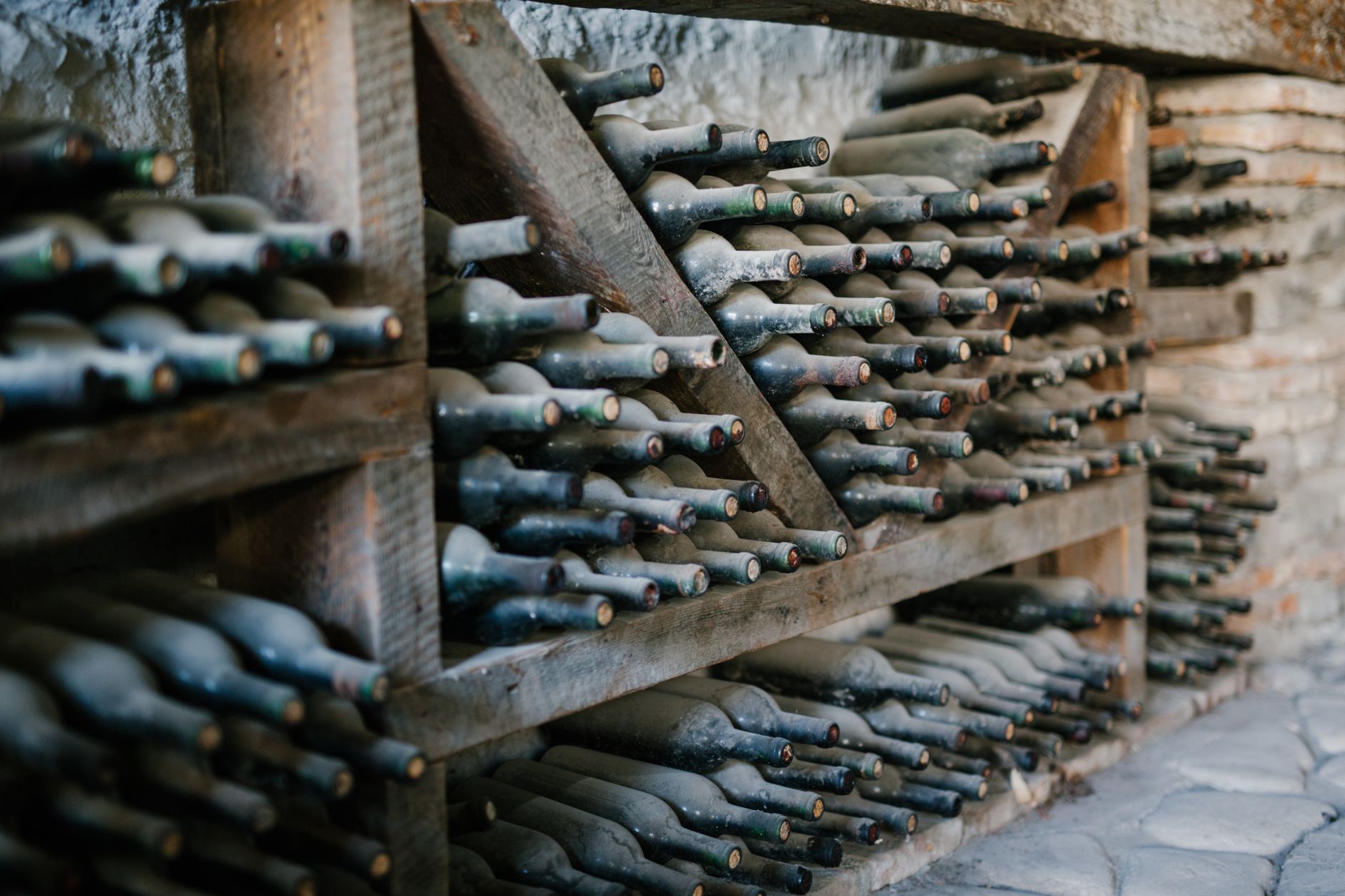
A wine fault is a flaw that makes a wine less sound, less expressive, or unpleasant. Some faults come from production. Others develop during bottling, shipping, storage, or service. Diagnosis can be difficult because aromas overlap and sensitivity varies from person to person.
Cork taint
Cork taint is most commonly associated with TCA. It can make wine smell musty, damp, moldy, or like wet cardboard. Sometimes it does not smell obvious; it simply strips fruit and makes the wine seem dull.
Oxidation
Oxidation happens when wine is exposed to too much oxygen. It can cause browning, flat fruit, bruised apple, nutty, stale, or sherry-like notes. Some wines are intentionally oxidative, so the question is whether the character fits the style.
Reduction
Reduction is associated with low-oxygen conditions and sulfur-related aromas. It can smell like struck match, rubber, cabbage, onion, garlic, or drains. Mild struck-match notes can be intentional or acceptable in some styles; severe reduction is usually unpleasant.
Volatile acidity
Volatile acidity can smell like vinegar, nail polish remover, or sharp lift. A small amount can add complexity in some wines, but high levels are usually faulty.
Brettanomyces
Brettanomyces can produce aromas described as barnyard, leather, horse, Band-Aid, smoke, or spice. Some drinkers tolerate or enjoy low levels in certain wines; high levels can dominate fruit and reduce clarity.
Heat damage and lightstrike
Heat can push corks, cause leakage, flatten fruit, and create cooked flavors. Lightstrike can affect wines exposed to damaging light, especially delicate wines in clear glass. Proper storage and transport matter.
Instability
Cloudiness, unexpected fizz, mousiness, or off aromas can point to microbial instability or refermentation, especially in wines with residual sugar or low preservative use. Some wines are intentionally cloudy, so appearance alone is not enough.
What this means for consumers
If a wine seems wrong, compare aroma, flavor, texture, and context. Is the wine meant to be oxidative? Is it a low-intervention style? Was it stored warm? Does the flaw blow off with air, or get worse? When in doubt at a restaurant or shop, politely ask for help.