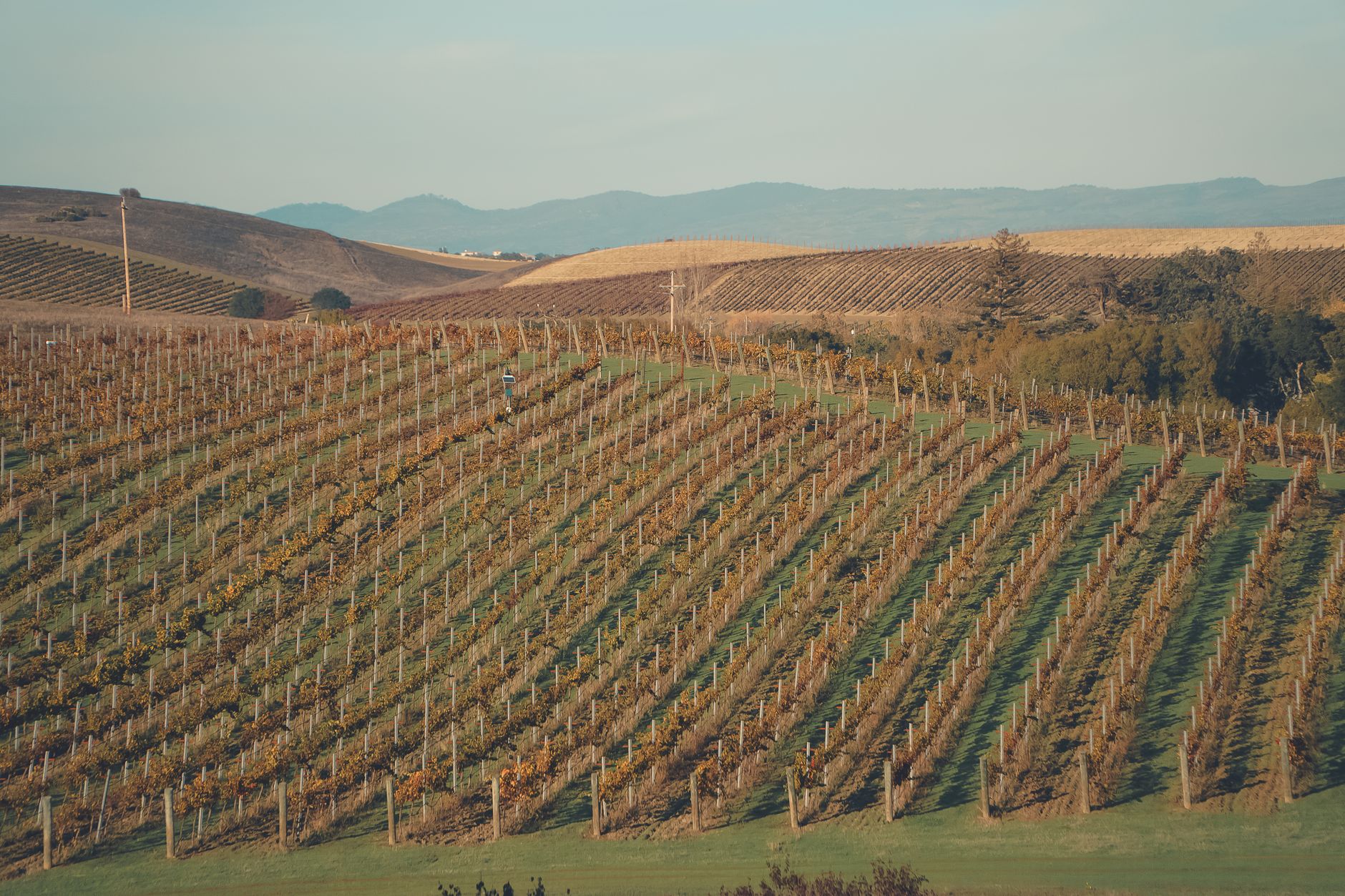
The Willamette Valley is a strong introduction to cool-climate Pinot Noir, site language, and the way AVA names become practical travel tools.
Why this region matters
The Willamette Valley is Oregon's central wine reference point and one of the world's important Pinot Noir regions. It gives visitors a clear way to understand cool-climate red wine: moderate alcohol, freshness, red-fruit tones, earth, spice, and site-sensitive variation.
The region is also a useful bridge between Burgundy-style place literacy and New World visitor culture. It has a broad valley AVA with nested AVAs, each helping visitors organize geography, soil, elevation, and style.
How to read the landscape
The valley stretches from the Portland area south toward Eugene. Its cool climate, rolling hillsides, long growing season, and varied soils make it especially associated with Pinot Noir, though Chardonnay, Pinot Gris, Riesling, and sparkling wine are increasingly important to the learning picture.
Travelers should think about orientation: hills versus valley floor, eastern versus western parts of the valley, and individual AVA identities. Those distinctions make visits more educational than a general tour through 'Oregon wine country.'
Wine styles to understand before you go
Pinot Noir is the main comparative lens, but Chardonnay is essential for understanding the region's current direction. Pinot Gris, Riesling, and traditional-method sparkling wines can also show how acidity and ripeness interact in a cool climate.
Visitors can learn by comparing wines from Dundee Hills, Eola-Amity Hills, Yamhill-Carlton, McMinnville, Ribbon Ridge, and other AVAs where available.
Appellations, subregions, and place names
Nested AVAs are not simple quality tiers. They are origin tools that help explain vineyard geography and style tendencies.
EoW should link the travel article to a Willamette Valley region page, an AVA explainer, Pinot Noir and Chardonnay grape pages, and glossary terms such as cool climate, acidity, vintage, and single vineyard.
How visits tend to work
The visitor experience often includes tasting rooms in small towns as well as estate visits. Some producers require appointments, while others maintain more flexible hospitality.
Because appointment rules and tasting formats change, the article should avoid fixed claims and direct readers to current official sources.
Food, culture, and local context
Willamette travel is often built around small towns, agriculture, seasonal food, and quiet landscape rather than large-scale spectacle.
A good EoW article should help visitors ask better questions: What AVA is this from? What clone or vineyard? How does this vintage compare? How much oak was used?
Common mistakes to avoid
- Do not say Willamette equals only Pinot Noir.
- Do not overstate Burgundy comparisons.
- Do not rank AVAs.
- Do not treat tasting-room convenience as a measure of wine importance.