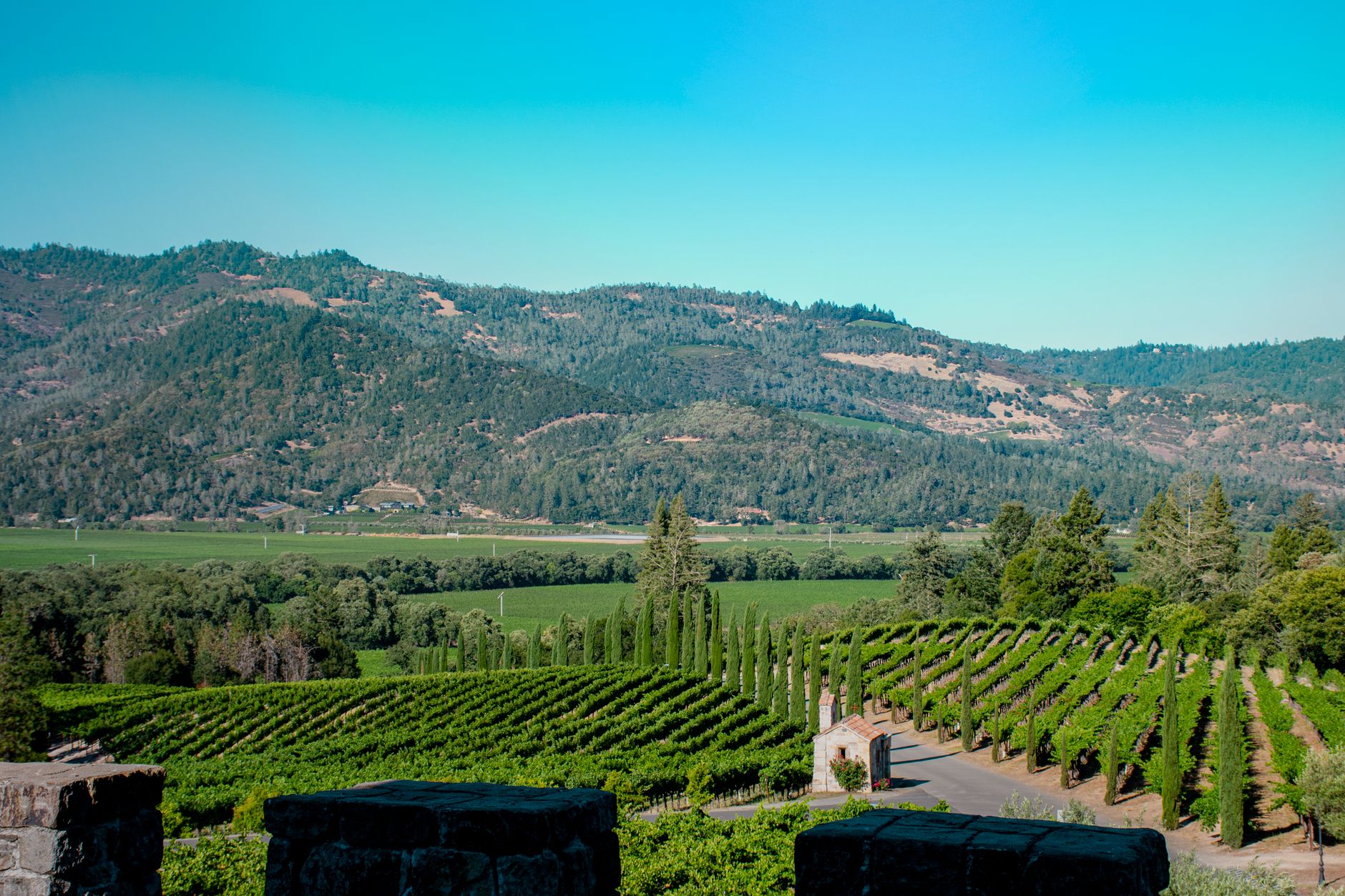
Overview
AVA stands for American Viticultural Area. It is a type of U.S. wine-growing region recognized by the Alcohol and Tobacco Tax and Trade Bureau, or TTB. An AVA name on a wine label tells the consumer that the wine is making an origin claim tied to a defined grape-growing area.
The most important beginner point is this: an AVA is not the same thing as many European appellations. It defines a place. It generally does not define the grape variety, wine style, yield, aging method, or quality level.
What an AVA protects
An AVA protects a viticultural place name. To create or change an AVA, petitioners must provide evidence that the proposed area has a name, boundaries, and distinguishing features. These features may include climate, geology, soils, elevation, physical geography, or other conditions that distinguish it from surrounding areas.
The AVA system is therefore geographic and evidentiary. It asks whether a place can be recognized as a grape-growing area with distinguishing characteristics. It does not ask whether one producer is better than another.
What an AVA label means
When a label uses an AVA as an appellation of origin, the wine must meet applicable federal rules for origin labeling. The details depend on the label claim and category, so EoW should point readers to current TTB sources rather than reproducing every rule in consumer copy.
For most consumers, the practical takeaway is that AVA language narrows the origin. "California" is broad. "Napa Valley" is narrower. "Oakville" is narrower still. The narrower the place, the more specific the origin claim becomes, but specificity is not the same as guaranteed quality.
What an AVA does not mean
An AVA does not require that Napa Valley Cabernet Sauvignon taste one way or that Willamette Valley Pinot Noir be made with a specific method. It does not create a grand cru or premier cru hierarchy. It does not mean the wine is estate-grown. It does not mean the wine is expensive. It does not mean the producer used sustainable, organic, biodynamic, or natural methods.
This is why AVA labels should be read with other information: grape variety, producer, vintage, vineyard name, estate language, alcohol level, and style clues.
Nested AVAs
Many AVAs sit inside larger AVAs. For example, a small AVA may be located within a larger county or regional AVA. This can be useful because it lets a label choose the origin claim that best fits the grapes and marketing. A wine might use a broad appellation if grapes come from multiple subareas, or a narrower one if it qualifies and the producer wants to emphasize that site.
Nested AVAs can confuse beginners, but the idea is simple: wine geography can work like a set of boxes. A vineyard can be inside a small AVA, which is inside a larger AVA, which is inside a state.
How AVAs differ from European systems
Many European appellations define more than geography. They may specify grape varieties, pruning, yields, minimum alcohol, aging, style, and production methods. The U.S. AVA system is more flexible. That flexibility encourages experimentation, but it also puts more responsibility on consumers to learn producer and style.
Neither system is automatically better. They answer different questions. A European appellation may say, "This wine comes from this place and follows this style rule." An AVA mostly says, "This wine's origin claim is this recognized grape-growing area."
Editorial status
Draft prepared for CC editorial/source review. Do not publish as legal advice. Verify jurisdiction-sensitive names, classifications, label terms, and protected-origin rules against current official specifications before publication.