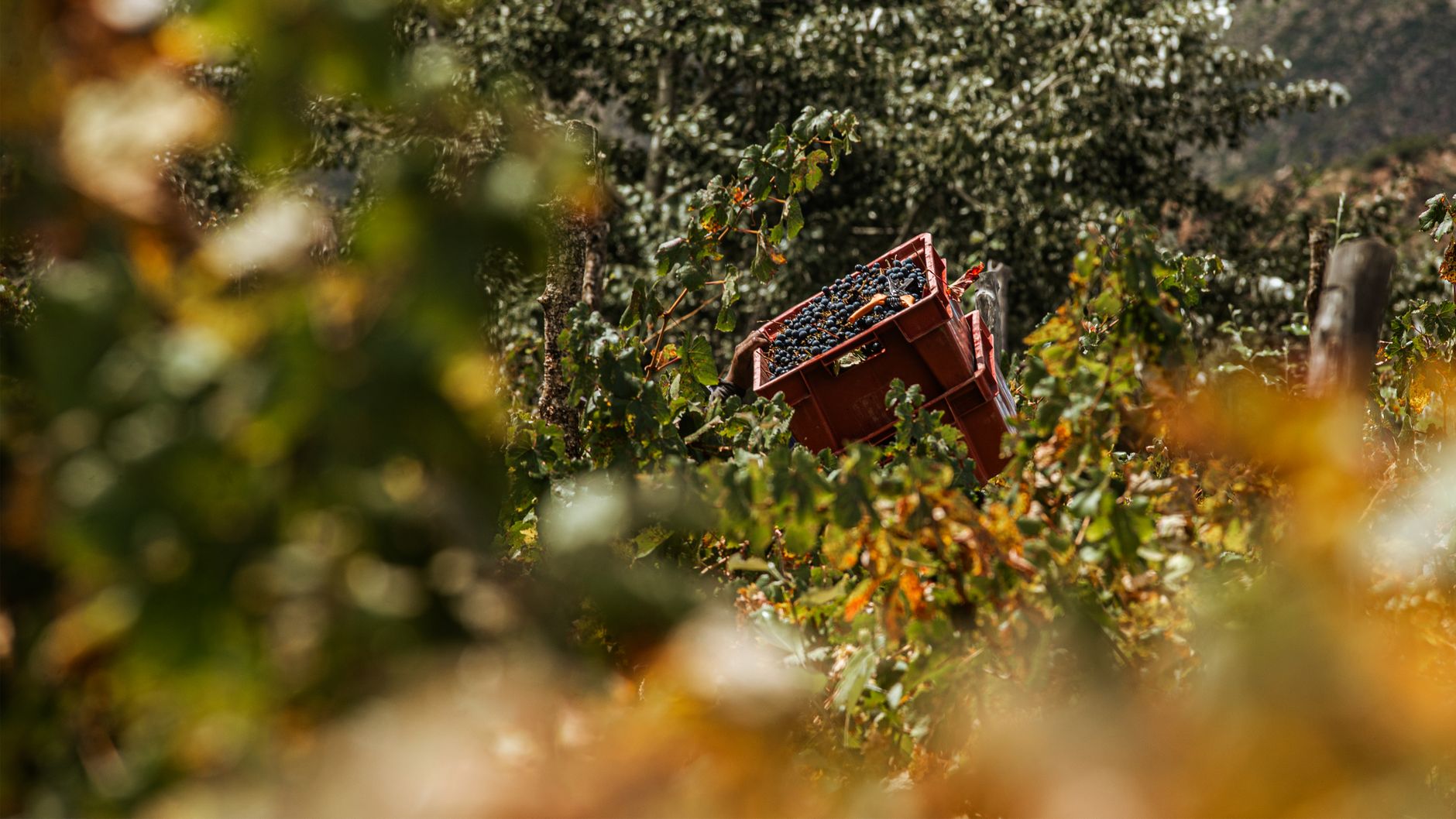
Vintage means harvest year
The vintage printed on a label is the year the grapes were harvested. It is not necessarily the year the wine was bottled or released. In most still wines, vintage is a basic identity marker because wine is an agricultural product. Weather changes from year to year, and grapes record those changes.
Vintage variation matters more in some regions than others. Cool, marginal, maritime, or highly variable climates often show larger differences between years. Warm, dry, irrigated, or technologically controlled regions may produce more consistent wines, though no vineyard is completely immune to weather.
What changes from year to year
Temperature, rainfall, frost, hail, drought, humidity, heat spikes, wind, and harvest weather all matter. A cool year may give higher acidity, lower alcohol, lighter body, and more herbal or tart fruit. A hot year may give riper fruit, higher alcohol, softer acidity, and more concentration, but it can also produce jammy flavors or stress.
Rain near harvest can dilute grapes or increase rot pressure. Drought can reduce yields and concentrate flavors, but severe stress can shut vines down. Frost can reduce crop size before the season fully begins. Hail can damage fruit in minutes. Vintage is the sum of these pressures and the grower's response.
Vintage and style
A so-called great vintage is not always the best vintage for every drinker. Some years produce powerful wines for long aging; others produce lighter, fresher wines that are delicious earlier. A structured Bordeaux vintage may thrill collectors, while a softer vintage may be more useful for near-term drinking.
Vintage also affects sweet, sparkling, and fortified wines differently. Champagne often uses non-vintage blending to maintain house style, but vintage Champagne is made in selected years. Port houses declare vintage years when conditions support exceptional long-aging wines. Sweet wines may depend on noble rot, late harvest conditions, or freezing temperatures.
Vintage and aging
Ageworthy wines need more than ripeness. They usually require concentration, acidity, tannin or sugar, balance, and clean fruit. A warm vintage can make impressive young wines that age unevenly if acidity is low or alcohol dominates. A cooler vintage can age beautifully if the fruit ripened fully enough.
Storage matters as much as vintage after bottling. A well-stored bottle from an average year may be more enjoyable than a poorly stored bottle from a famous year. Vintage gives context, but it does not override producer, site, bottle condition, and personal preference.
How to use vintage information
Use vintage charts as broad maps, not verdicts. They can help you decide whether to open a bottle, cellar it, or expect a certain style. But they simplify entire regions and cannot account for every producer or vineyard.
The most practical vintage question is: what was the season like, and how does that producer perform in that kind of year? Once you know that, vintage becomes a useful lens rather than a superstition.