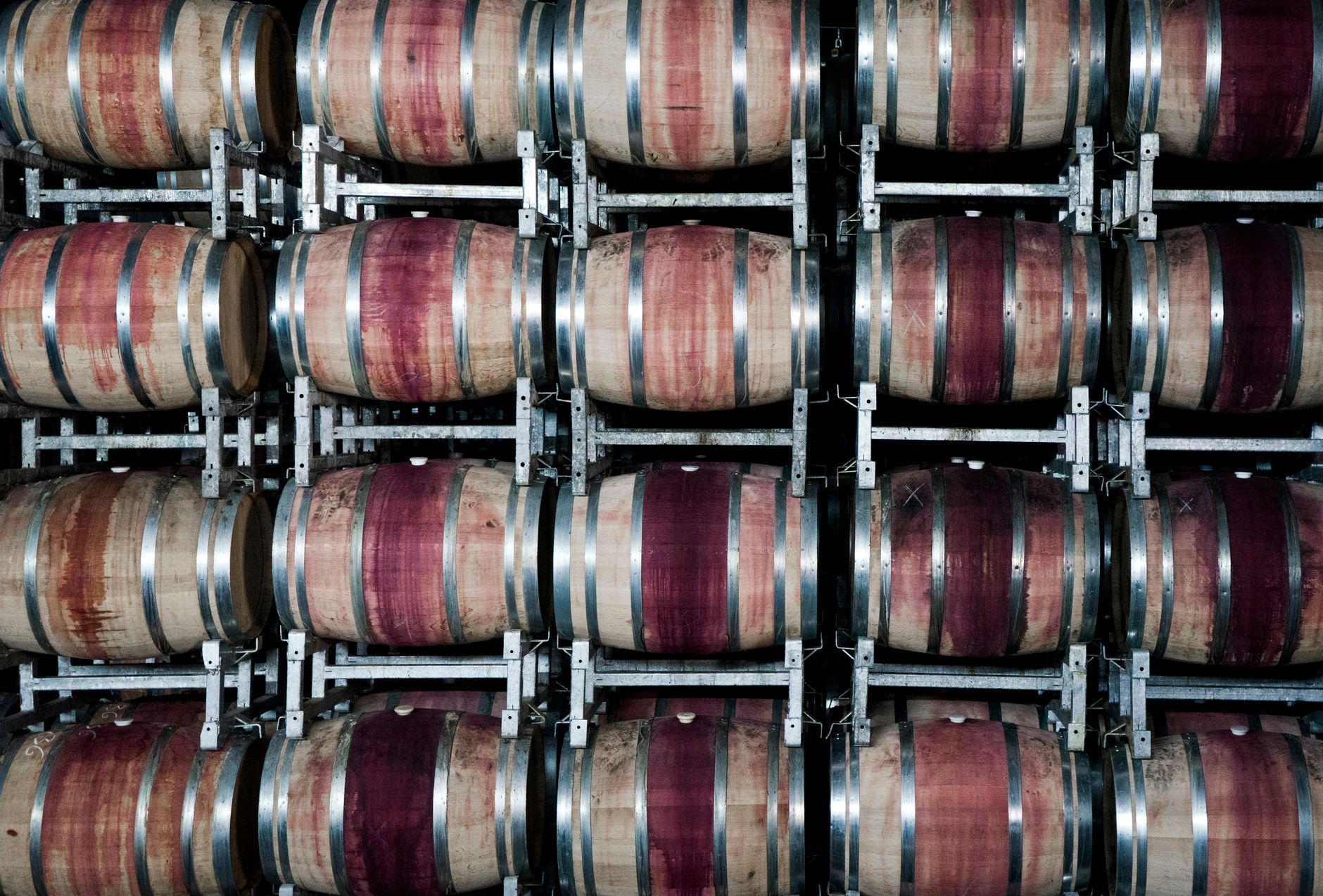
The practical takeaway is that fortified wine is wine strengthened with distilled grape spirit. The timing of fortification, the amount of sugar left, the aging environment, and oxygen exposure create very different styles. Port, Sherry, Madeira, Marsala, and fortified Muscat are related by technique, but they do not taste alike.
Fortification can stop fermentation when yeast are still converting sugar into alcohol. This preserves natural grape sweetness, as in many Ports and sweet Muscats. Fortification can also happen after fermentation, creating dry fortified wines, as in many Sherries. The added spirit raises alcohol and changes stability, allowing wines to age in ways ordinary table wines usually cannot.
Sherry is the classic solera wine. A solera is a fractional blending system in which younger wine refreshes older wine over time. Wine is drawn from the oldest level for bottling, and the space is replenished from the next-younger level, continuing upward through the criaderas. The goal is consistency and complexity rather than a single-vintage expression.
Sherry also depends on biological and oxidative aging. Fino and Manzanilla age under flor, a film of yeast that protects the wine from oxygen and adds aromas of bread dough, almond, green apple, chamomile, and sea spray. Oloroso ages oxidatively, becoming darker, nuttier, richer, and more powerful. Amontillado begins under flor and then continues oxidatively. Palo Cortado sits between categories in a rarer and more interpretive way.
Port is different. It comes from Portugal's Douro Valley and is usually fortified during fermentation, leaving sweetness. Ruby Port emphasizes fruit and deep color. Tawny Port ages longer in wood, gaining nut, caramel, dried fruit, and spice. Vintage Port comes from a declared year and is built for long bottle aging. Late Bottled Vintage, Colheita, white Port, and rosé Port add further categories.
Madeira is another world. It is fortified and then deliberately exposed to heat and oxygen through controlled aging systems. That would ruin many wines, but Madeira's high acidity and production method create extraordinary stability. Styles range from drier Sercial to richer Verdelho, Boal, and Malvasia, with Tinta Negra widely used. Flavors can include citrus peel, walnut, caramel, smoke, dried fruit, and tangy acidity.
Marsala, from Sicily, is often misunderstood because inexpensive cooking versions dominate public memory. Quality Marsala can be dry or sweet, pale or dark, and aged in ways that bring nuts, caramel, spice, dried fruit, and savory depth. Fortified Muscats, including examples from Setúbal and parts of Australia, emphasize orange peel, grape, flowers, raisins, tea, and caramelized sweetness.
Oxygen is not always the enemy in fortified wine. In table wine, uncontrolled oxidation is usually a fault. In Sherry, Madeira, Tawny Port, Marsala, and Rutherglen Muscat-style wines, oxygen is part of the design. The key is control. Producers manage barrel fill, aging time, heat, blending, and fortification to create stable complexity.
Serving matters. Many fortified wines are too often served too warm or from old, tired bottles. Fino and Manzanilla should be chilled and consumed soon after opening. Tawny Port and Madeira are more durable after opening. Vintage Port needs careful decanting because it throws sediment. Sweet fortified wines can pair with blue cheese, nuts, chocolate, caramel, and dried fruit, while dry Sherry can be superb with olives, seafood, almonds, and fried foods.
The fortified family shows how wine style can be shaped by intervention without losing identity. Spirit, oxygen, heat, blending, flor, and time are not shortcuts; they are the architecture of entire traditions.
One common misconception is that all fortified wines are sweet. Fino Sherry and Manzanilla are dry. Oloroso can be dry. Madeira can range from dry to sweet. Port is usually sweet, but its categories vary widely. The word fortified only means that spirit was added; it does not by itself define sweetness, color, oxidation level, or serving role.
Because fortified wines are intense, serving size should be smaller than for table wine. A small pour can carry enormous flavor. Dry Sherry can open a meal, Tawny Port can end one, Madeira can bridge sweet and savory dishes, and fortified Muscat can replace dessert. Understanding the family makes these wines feel less like curiosities and more like tools with specific jobs.