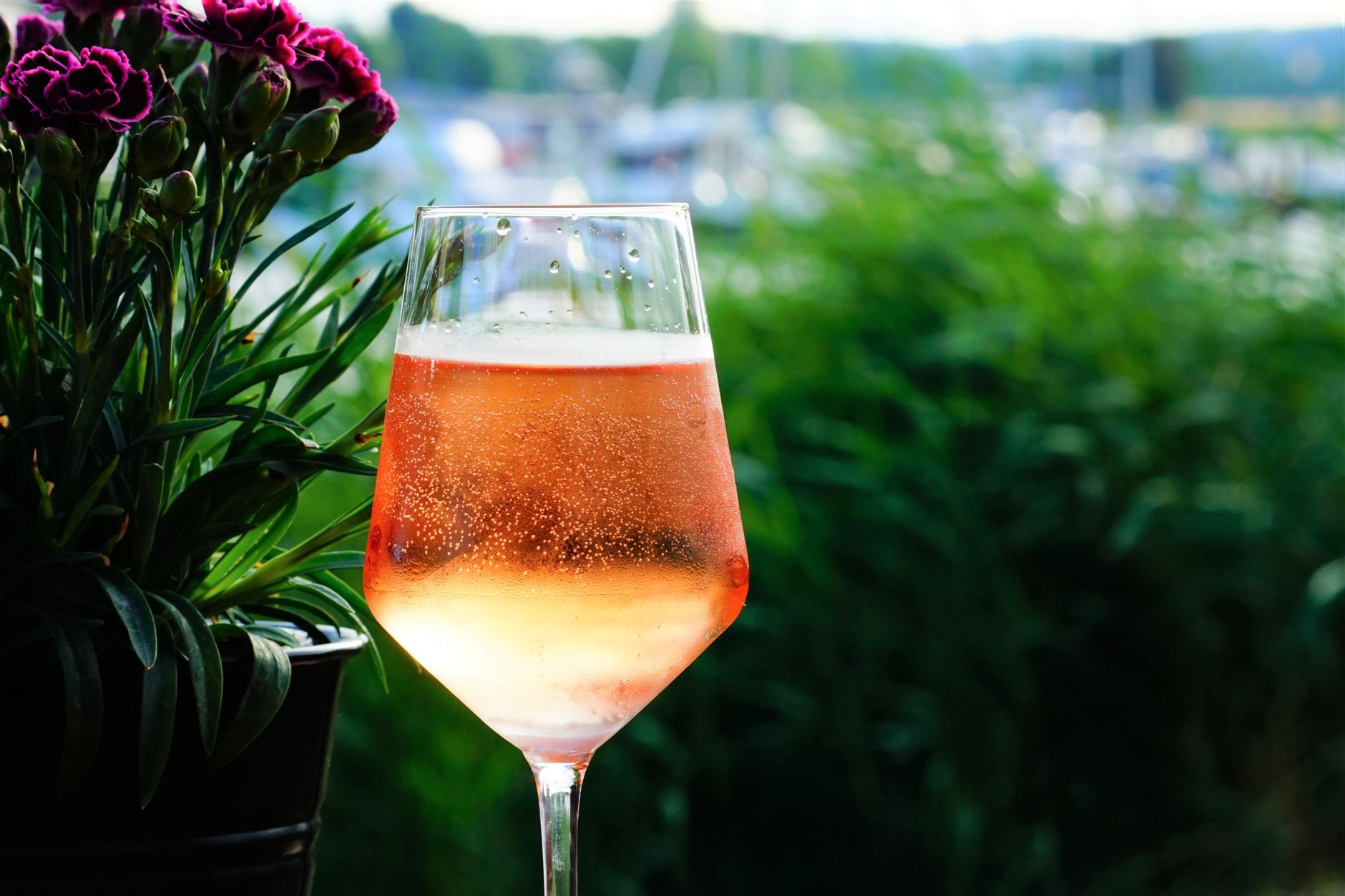
Rosé is wine made with some color from red grape skins, but usually not enough skin contact to become a full red wine. Its color can range from barely pink to salmon, copper, coral, ruby, or deep rose. The shade alone does not prove quality, sweetness, or seriousness. Color mostly reflects grape variety, time on skins, winemaking choices, and sometimes regional tradition.
The short skin-contact method
The most common way to make rosé is to crush or press red grapes and allow the juice to spend a short time with the skins. This may be only a few hours, or longer depending on the grape and target style. Once the desired color and flavor have been extracted, the juice is pressed away and fermented more like a white wine.
Shorter skin contact often gives pale color, bright acidity, and delicate red-fruit or citrus aromas. Longer contact can bring deeper color, more flavor intensity, and sometimes a little more texture.
Direct pressing
Some rosé is made by pressing red grapes soon after harvest, with very limited maceration. This can produce especially pale, delicate wines. Direct pressing is common in regions and styles where freshness, subtlety, and savory restraint are valued.
Because different grapes release color at different rates, direct pressing does not always produce the same shade. A lightly colored grape may create a very pale wine, while a deeply pigmented grape can color juice quickly.
Saignée
Saignée means "bleeding." In this method, a portion of pink juice is drawn off from a red wine fermentation early in the process. The drawn-off juice becomes rosé, while the remaining red wine may become more concentrated because it has a higher ratio of skins to juice.
Saignée rosés can be flavorful and structured, though the style varies widely. The method is not automatically superior or inferior; it simply begins from a different winemaking decision.
Blending red and white wine
Blending red and white wine to make rosé is restricted or discouraged in some contexts and accepted in others. One famous example is rosé Champagne, where adding red wine to white base wine is an accepted method. Because rules vary by region and category, EoW should avoid universal statements about whether blending is "allowed."
Dry, sweet, simple, serious
Rosé can be dry, off-dry, or sweet. It can be casual or ageworthy. It can be still, sparkling, or fortified in rare cases. Pale Provençal-style rosé has become globally influential, but it is only one expression among many. Spain, Italy, Portugal, Austria, Germany, California, South Africa, Australia, and many other regions make distinctive rosés.
What this means in the glass
Rosé often combines the refreshing quality of white wine with some red-fruit character from red grapes. Common aromas include strawberry, raspberry, watermelon, citrus, peach, herbs, flowers, or spice. Crisp dry rosé can be very versatile at the table because it usually has enough acidity for fresh foods and enough fruit for salty, savory, or lightly spiced dishes.