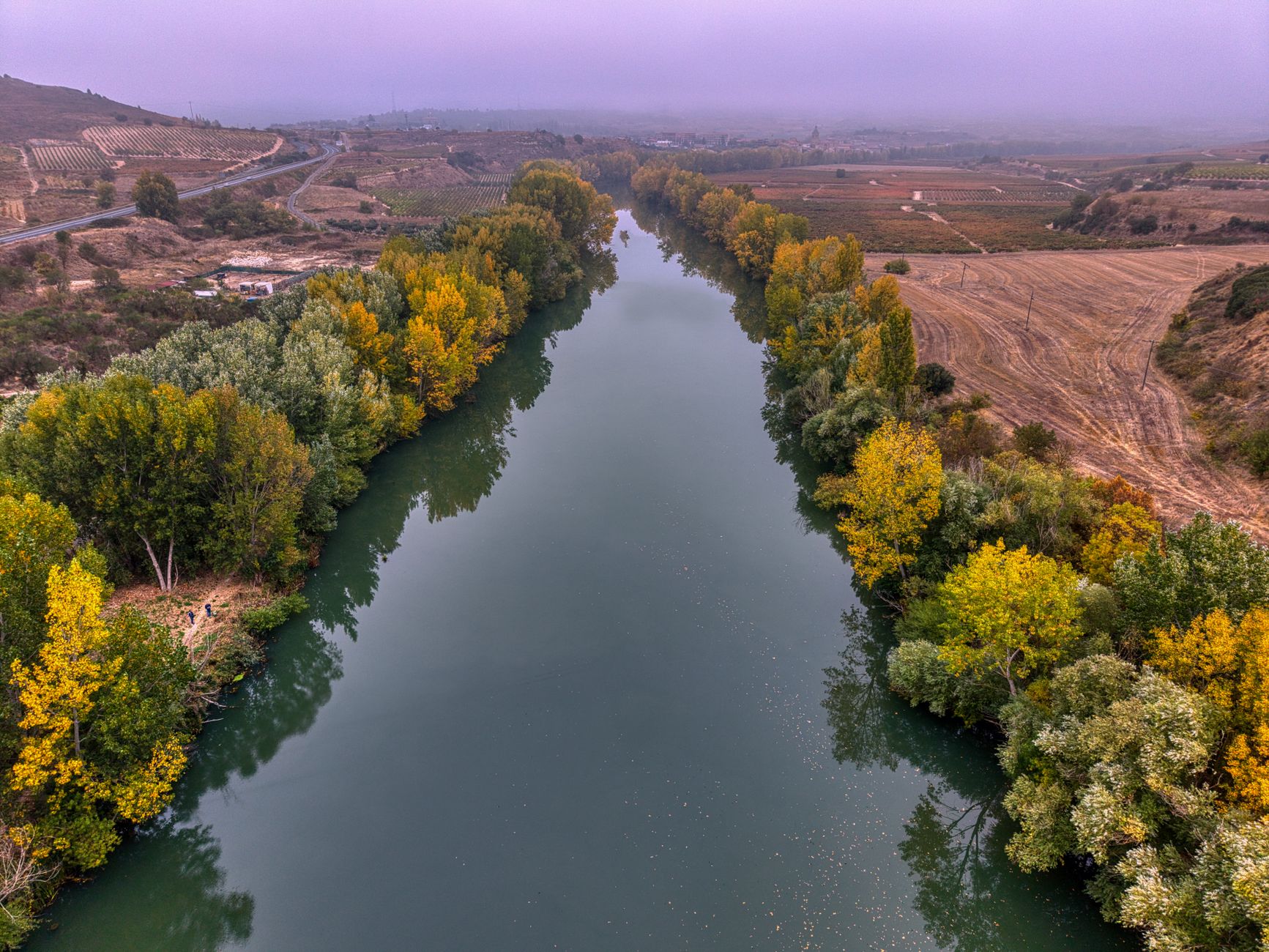
Rioja travel helps visitors connect Spanish origin terms, village landscapes, oak-aging language, and the diversity behind a famous regional name.
Why this region matters
Rioja is one of Spain's most internationally recognized wine names. It is also one of the best regions for teaching aging terms such as Crianza, Reserva, and Gran Reserva while also explaining that modern Rioja is not only about oak categories.
For EoW, Rioja travel should connect subzones, villages, soils, climates, grape varieties, and label language.
How to read the landscape
Rioja sits along the Ebro River corridor and includes varied climates, soils, and villages. Official tourism language emphasizes how much diversity exists within a relatively compact territory.
Visitors should avoid thinking of Rioja as a single flavor profile. Elevation, exposure, grape mix, winemaking style, and aging choices all matter.
Wine styles to understand before you go
Tempranillo is the central grape, often supported by Garnacha, Graciano, Mazuelo/Carignan, and white grapes such as Viura. Traditional oak-aged reds are important, but Rioja also includes fresher reds, whites, rosés, and site-focused wines.
The most useful tasting exercise is to compare aging categories with newer village or vineyard-focused wines where available.
Appellations, subregions, and place names
Rioja Alta, Rioja Alavesa, and Rioja Oriental are common geographic anchors. Village names and producer styles add another layer.
EoW should link to glossary terms Crianza, Reserva, Gran Reserva, DOCa, barrel aging, American oak, and Tempranillo.
How visits tend to work
Wine travel in Rioja can involve historic cellars, modern architecture, village visits, and food culture. Some bodegas offer structured visits, but current booking details should not be hard-coded.
Because many visitors move between towns and bodegas, safe transportation should be mentioned in general terms.
Food, culture, and local context
Rioja's food context includes tapas/pintxos culture, grilled meats, vegetables, mushrooms, and local dishes that help explain the balance of acidity, oak, fruit, and savory flavors.
Architecture is part of the modern travel identity, but EoW should keep focus on wine literacy.
Common mistakes to avoid
- Do not reduce Rioja to vanilla-oak red wine.
- Do not imply aging categories are simple quality rankings.
- Do not ignore white Rioja.
- Do not use Rioja as a generic synonym for Spanish red wine.