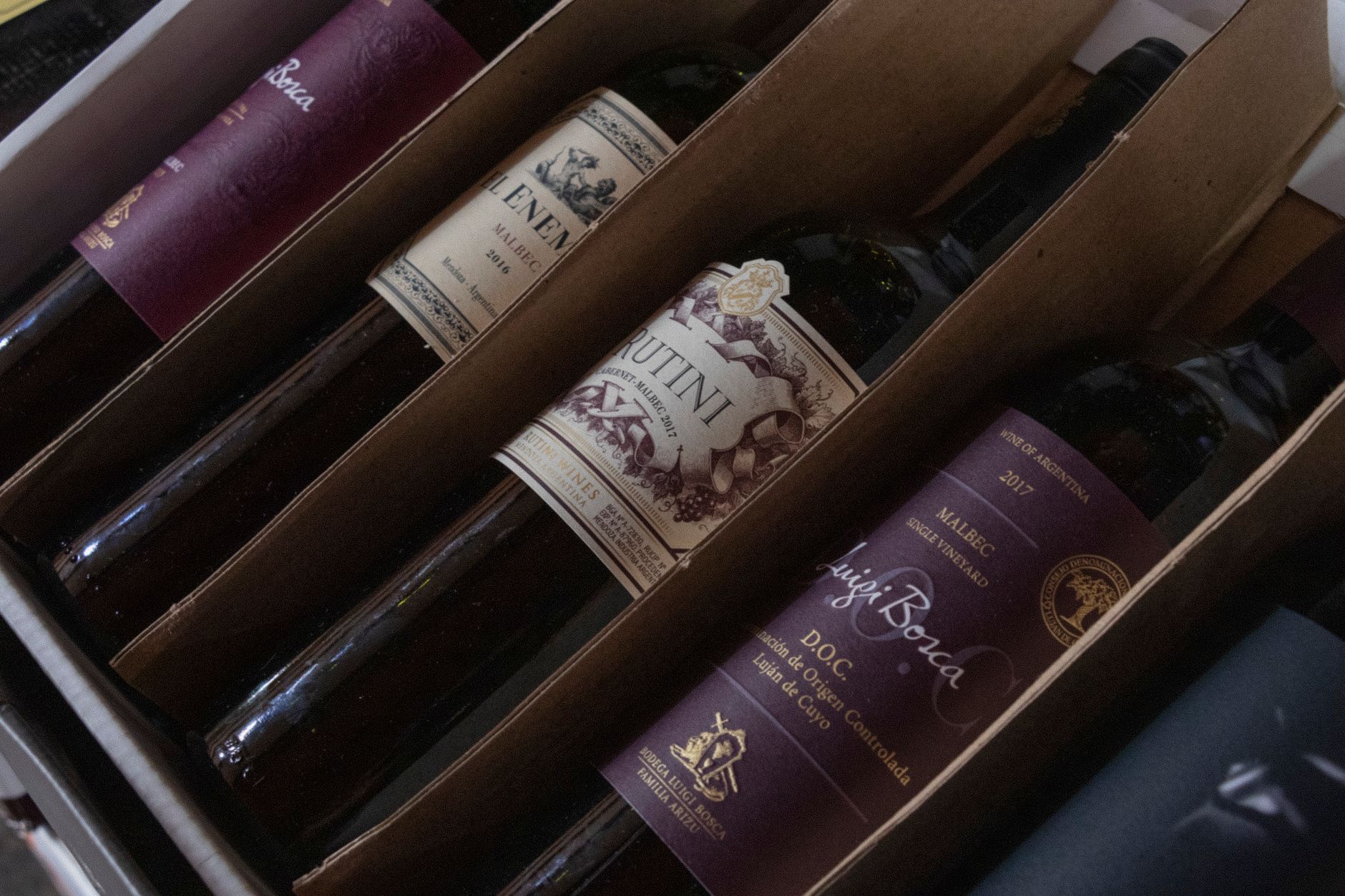
The label is a map, not a paragraph
A wine label does not usually explain itself in full sentences. It gives clues: producer, region, grape variety, vintage, appellation, vineyard, style, alcohol, importer, and sometimes aging category. Once you know which clue to look for first, the label becomes less intimidating.
The front label is marketing plus legal identity. The back label may add tasting notes, technical details, importer information, government warnings, or serving suggestions. Some labels are direct and varietal-focused; others assume you already know that a place name implies a grape or style. This difference is one reason wine can feel harder than beer or spirits.
Producer and bottler
The producer name tells you who stands behind the wine. It may be an estate, château, domaine, winery, cooperative, merchant, negociant, or brand. Estate language often suggests closer control over vineyards, but it does not automatically guarantee quality. A skilled merchant or cooperative can make excellent wine, and an estate can make ordinary wine.
Bottling language matters when you are trying to understand source. Terms such as estate bottled, mis en bouteille au château, or imbottigliato all'origine may indicate that the producer grew or controlled the grapes and bottled the wine. Importer information can also be useful because certain importers specialize in particular styles or quality levels.
Place versus grape
New World labels often lead with grape variety: Cabernet Sauvignon, Chardonnay, Pinot Noir, Sauvignon Blanc. Many Old World labels lead with place: Bordeaux, Burgundy, Rioja, Chianti Classico, Sancerre. In those cases, the place name usually implies permitted grapes and a style tradition. Red Burgundy means Pinot Noir; white Burgundy usually means Chardonnay; Sancerre usually means Sauvignon Blanc for white wine.
This is not a strict Old World versus New World divide, but it is a useful starting point. Italy, France, Spain, Germany, Portugal, the United States, Australia, Chile, Argentina, South Africa, and New Zealand all use different labeling habits. When in doubt, identify the region first and then ask which grapes are typical there.
Vintage, appellation, and category
The vintage is the year the grapes were harvested, not necessarily the year the wine was bottled or released. Vintage matters most where weather changes significantly from year to year or where wines are meant to age. It matters less for simple, early-drinking wines and non-vintage sparkling or fortified wines blended for consistency.
Appellation terms such as AOC, DOC, DOCG, DO, DOCa, AVA, GI, and Wine of Origin signal regulated geographic categories. They do not mean the same thing in every country, but they usually define origin and sometimes grapes, yields, methods, aging, or labeling rules. A broad appellation may cover many styles, while a small vineyard name may indicate a more specific source.
Alcohol, sweetness, and style clues
Alcohol by volume can hint at body and ripeness. A dry white at 11.5% may feel lighter than a red at 15%, though balance depends on acidity, tannin, sugar, and extract. Sweetness terms are especially important for sparkling and German wines. Brut, sec, demi-sec, Kabinett, Spätlese, and other words can change expectations.
Aging words also matter. Crianza, Reserva, Gran Reserva, Riserva, Classico, Superiore, Vieilles Vignes, Blanc de Blancs, Blanc de Noirs, and Late Bottled Vintage all carry context. None should be read as a universal quality guarantee. They are clues that need region-specific interpretation.