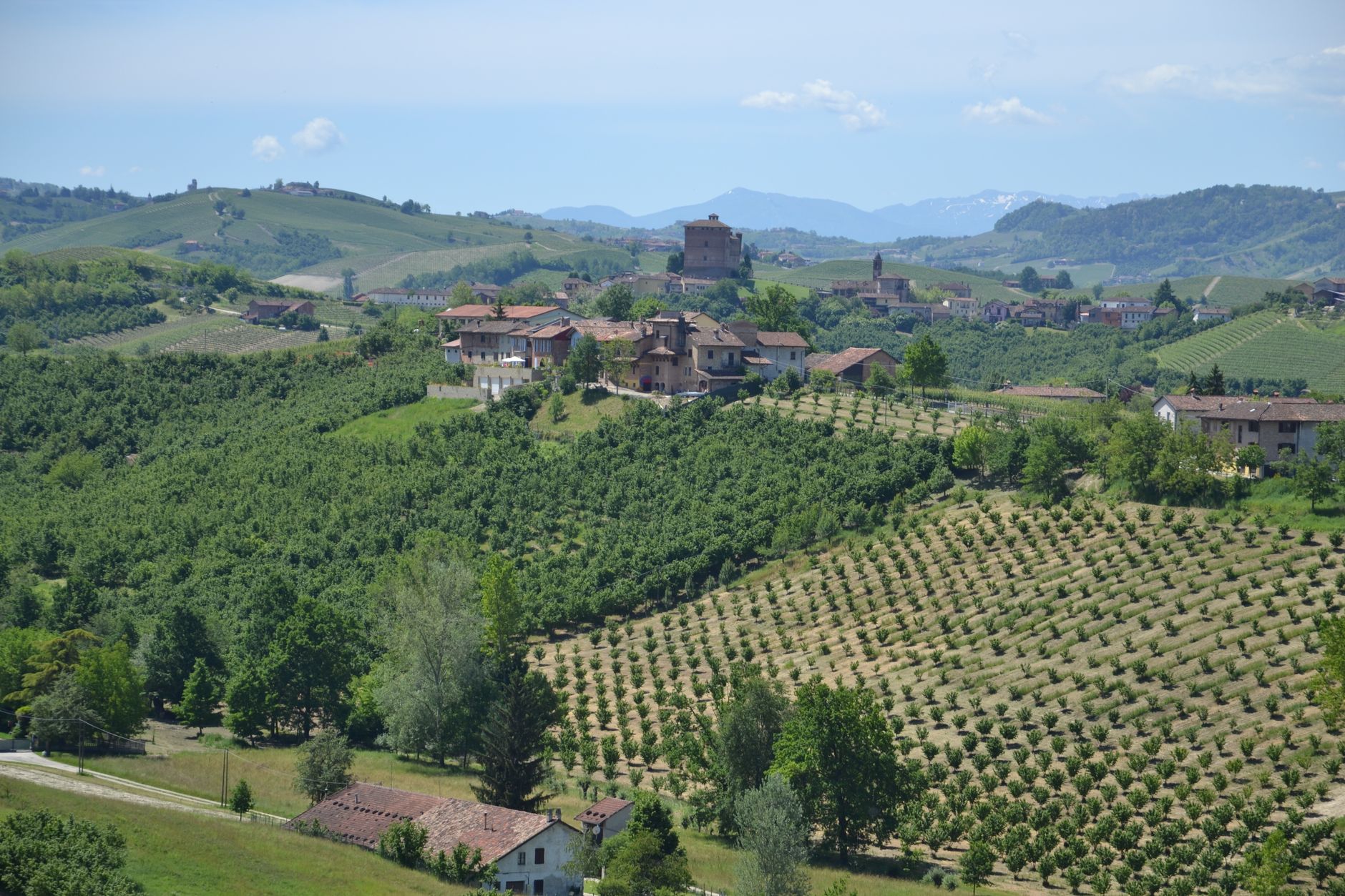
Piedmont wine travel centers on vineyard landscapes, hill towns, Nebbiolo, Barbera, Moscato, and the UNESCO-listed cultural geography of Langhe-Roero and Monferrato.
Why this region matters
Piedmont is one of Italy's great wine regions and a natural EoW travel subject because its place names are deeply tied to wine identity. Barolo and Barbaresco are famous, but the broader landscape includes Barbera, Dolcetto, Moscato d'Asti, Asti, Arneis, Gavi, and many local traditions.
The UNESCO-listed Vineyard Landscape of Piedmont: Langhe-Roero and Monferrato gives EoW a strong cultural-landscape frame rather than a producer-list frame.
How to read the landscape
The region is built around hills, villages, castles, vineyard slopes, and a long agricultural history. Visitors should learn to read landscape names: Langhe, Roero, Monferrato, Barolo, Barbaresco, Alba, Asti, and other anchors.
Piedmont travel is also seasonal. Truffle, hazelnut, and wine cultures overlap, but EoW should keep seasonal claims broad unless maintained.
Wine styles to understand before you go
Nebbiolo is the central grape for Barolo and Barbaresco, known for structure, perfume, acidity, tannin, and ageworthiness. Barbera often brings acidity and red fruit, Dolcetto can be more direct and earlier drinking, and Moscato Bianco gives aromatic sparkling or sweet styles.
White grapes such as Arneis and Cortese broaden the visitor's understanding beyond red wines.
Appellations, subregions, and place names
Langhe, Roero, and Monferrato should be introduced as major cultural and wine zones, with Barolo and Barbaresco treated as specific legal appellations within the broader landscape.
The article should link to Nebbiolo, Barbera, Dolcetto, Moscato, Barolo, Barbaresco, Asti, DOCG, Riserva, vintage, tannin, and acidity.
How visits tend to work
Piedmont visits often center on small towns, estate appointments, wine shops, restaurants, and scenic vineyard roads. Many producers are small, and advance contact may be important.
EoW should avoid naming restaurants or producers except in separate curated, maintained travel content.
Food, culture, and local context
Food is inseparable from Piedmont wine literacy: truffles, tajarin, risotto, veal, hazelnuts, cheeses, and braised meats give context for acidity, tannin, and aromatic complexity.
The culture is less about spectacle than about dense layers of local place.
Common mistakes to avoid
- Do not make Barolo the whole Piedmont story.
- Do not treat Nebbiolo as always dark and heavy.
- Do not ignore white and sparkling traditions.
- Do not overstate village/style rules without source review.