What Does Organic Mean in Wine?
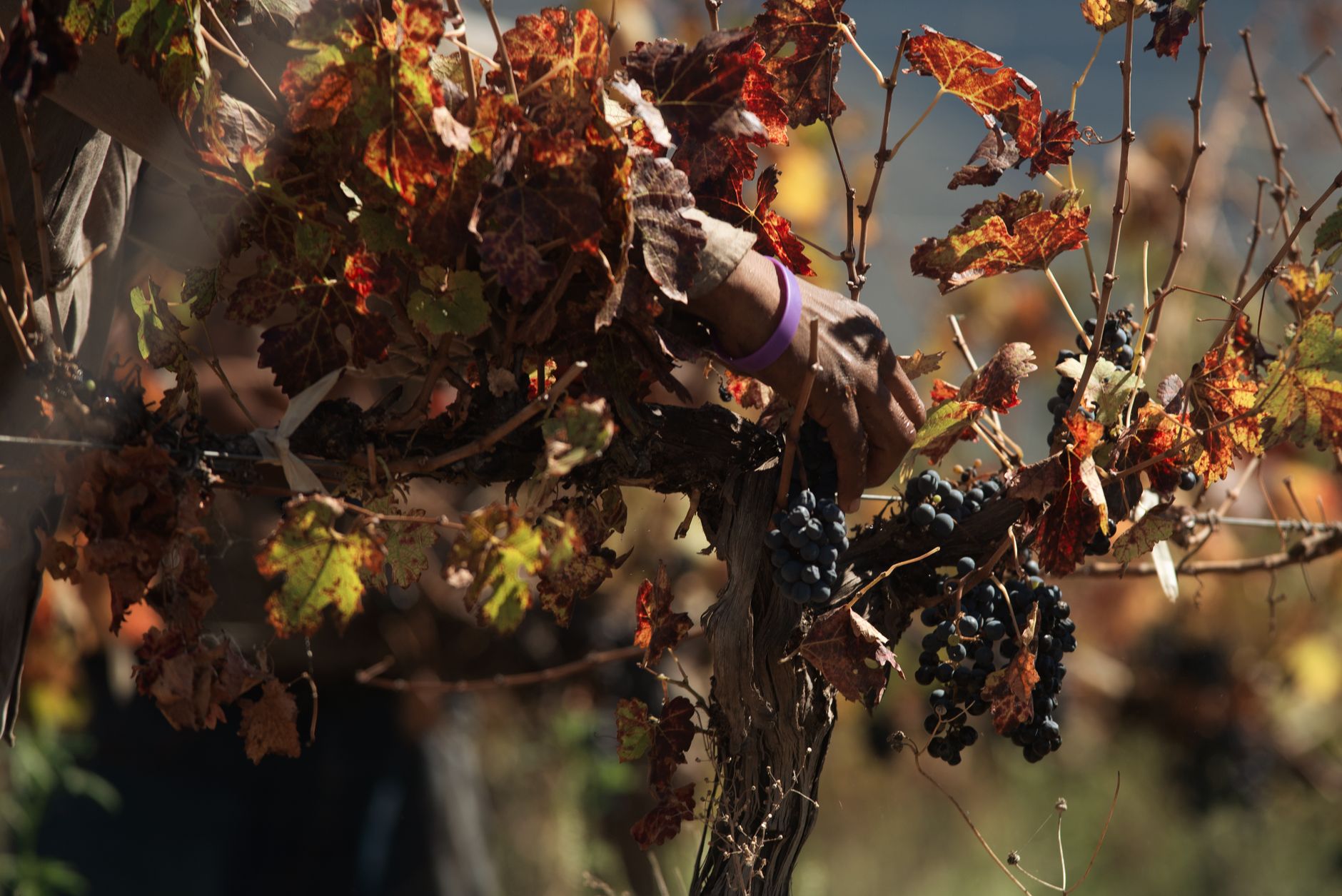
Organic grape growing means farming without synthetic pesticides, herbicides, or fertilizers. Organic vineyards rely on natural inputs — compost, cover crops, and beneficial insects — to manage pests, weeds, and soil health. The approach is common across a growing number of wine regions worldwide, though certification requirements vary considerably by country and certifying body.
Certification Varies by Country
There is no single global standard for organic wine. Each country, and sometimes each certifying organization within a country, has its own rules:
- United States (USDA Organic): Grapes must be grown without prohibited synthetic substances. The USDA makes a distinction between wine labeled "organic" and wine labeled "made with organic grapes" — see below.
- European Union: EU organic wine regulations set rules for both vineyard practices and winemaking additions, including limits on sulfite additions that are lower than conventional wines.
- Other countries: Australia, Canada, South Africa, and others maintain their own certification schemes, each with their own permitted inputs and labeling conventions.
Organic labeling rules vary by jurisdiction and certification program. A bottle labeled organic in one country is not automatically produced under the same rules as an organic bottle from another.
The US Distinction: "Organic Wine" vs. "Made with Organic Grapes"
In the United States, there is an important difference between two label claims:
- "Organic wine" under USDA rules means the wine was made from certified organic grapes and contains no added sulfites (sulfur dioxide). It may still contain naturally occurring sulfites from fermentation.
- "Made with organic grapes" means the grapes were certified organic, but the winemaker may have added sulfur dioxide up to 100 parts per million as a preservative.
This distinction matters particularly for those seeking to minimize sulfur dioxide in wine. It does not mean one category tastes better or is healthier than the other.
Organic Wine in the EU
EU organic wine regulations, updated in 2012, allow winemakers to label wine as "organic wine" (rather than just "wine made from organic grapes") provided both vineyard and cellar practices meet EU standards. EU organic wine may contain added sulfites, but at limits lower than conventional wine: roughly 100 mg/L for red wine and 150 mg/L for white and rosé, compared to higher limits for conventionally made wines.
Biodynamic Wine
Biodynamic farming is a related philosophy that goes further than organic certification. It treats the vineyard as a self-sustaining ecosystem and follows a calendar of farming activities linked to lunar and cosmic cycles. The Demeter certification is the most recognized biodynamic standard. Many biodynamic vineyards are also organically certified, but the two certifications are distinct.
Natural Wine
Natural wine is a loosely defined category, not a legal designation. Natural winemakers generally aim for minimal intervention both in the vineyard and the cellar — often farming organically or biodynamically, using wild yeast for fermentation, and adding little or no sulfur dioxide. Because there is no official standard, practices vary widely among producers who use the term.
What Organic Certification Does Not Mean
Organic certification does not guarantee that a wine will taste different or better than a conventionally made wine. Taste is determined by grape variety, region, vintage, and winemaking approach. An organic wine can be excellent or unremarkable, just as a conventional wine can be.
Organic certification also does not mean the wine is sulfite-free. Sulfites form naturally during fermentation, so even wines with no added sulfites contain some sulfites. The US "organic wine" category specifically prohibits added sulfites; most other organic categories permit them at controlled levels.
A Note on Provenance
This article is first-party educational content produced for Encyclopedia of Wine. It does not contain commercial recommendations and does not represent the position of any certification body. For current certification requirements in your country, consult the relevant certifying authority directly.