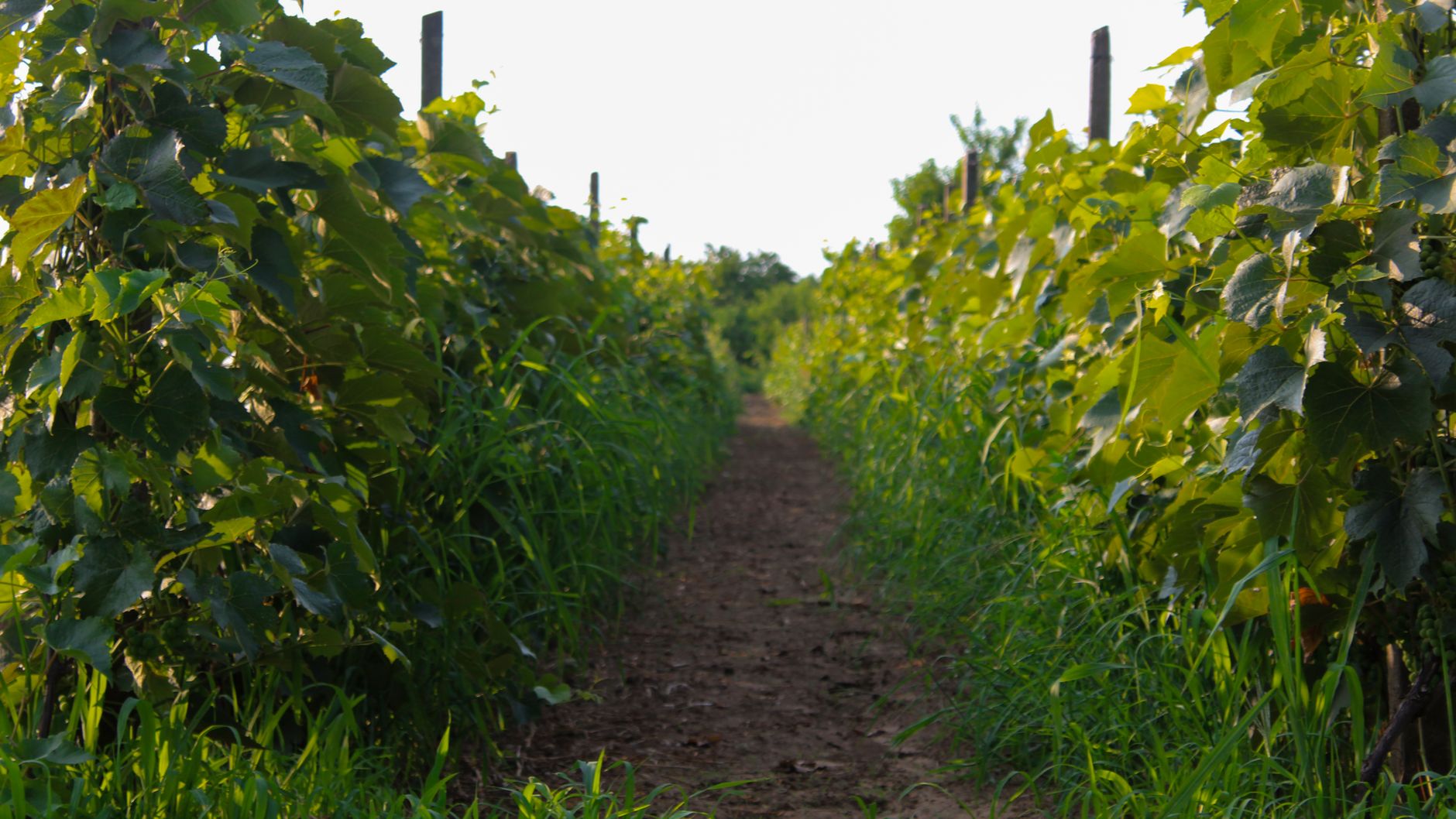
Organic, biodynamic, and natural wine are often discussed together, but they mean different things and do not share one universal legal definition.
Three related but different ideas
Organic, biodynamic, and natural wine are often grouped together because they all ask how grapes are grown and how much intervention happens in the cellar. But they are not interchangeable terms.
Organic wine is a regulated certification category. Rules vary by jurisdiction, and the distinction between “organic wine” and wine “made with organic grapes” matters, especially in the United States. In broad terms, organic claims begin in the vineyard with certified organic grapes and continue into winemaking rules about allowed inputs.
Biodynamic wine comes from a farm system associated with biodynamic agriculture and often verified through Demeter or another biodynamic standard. Biodynamic farming usually builds on organic-style restrictions while adding a whole-farm philosophy, compost preparations, biodiversity goals, and timing practices.
Natural wine is different again. In many markets, it is not a single legally standardized category. It usually refers to wines made with organically or responsibly farmed grapes, spontaneous fermentation, few additives, and minimal cellar intervention, but exact definitions vary among producers, importers, fairs, and associations.
Why the distinctions matter
A certified organic vineyard may still produce a wine that is not labeled organic if the cellar work does not meet the relevant rule. A biodynamic producer may also be organic, but biodynamic certification is not the same as a government organic seal. A natural wine may be made from organic grapes, but the word “natural” by itself may not tell the buyer whether certification exists.
Sulfites are another frequent source of confusion. Sulfur dioxide can occur naturally during fermentation, and many winemakers use it to reduce oxidation and microbial spoilage. U.S. organic-label categories treat added sulfites differently from wines labeled “made with organic grapes,” so EoW should keep sulfite claims tightly sourced and jurisdiction-specific.
What consumers may notice
These wines can taste conventional, rustic, polished, cloudy, bright, oxidative, aromatic, or restrained. Farming category does not determine style by itself. Winemaking choices, grape variety, region, vintage, sanitation, cellar skill, and bottling stability still matter.
Natural-wine language should be especially cautious. Some natural wines are precise and stable; others are intentionally or unintentionally more variable. “Natural” should not be used as a synonym for better, healthier, or fault-free.