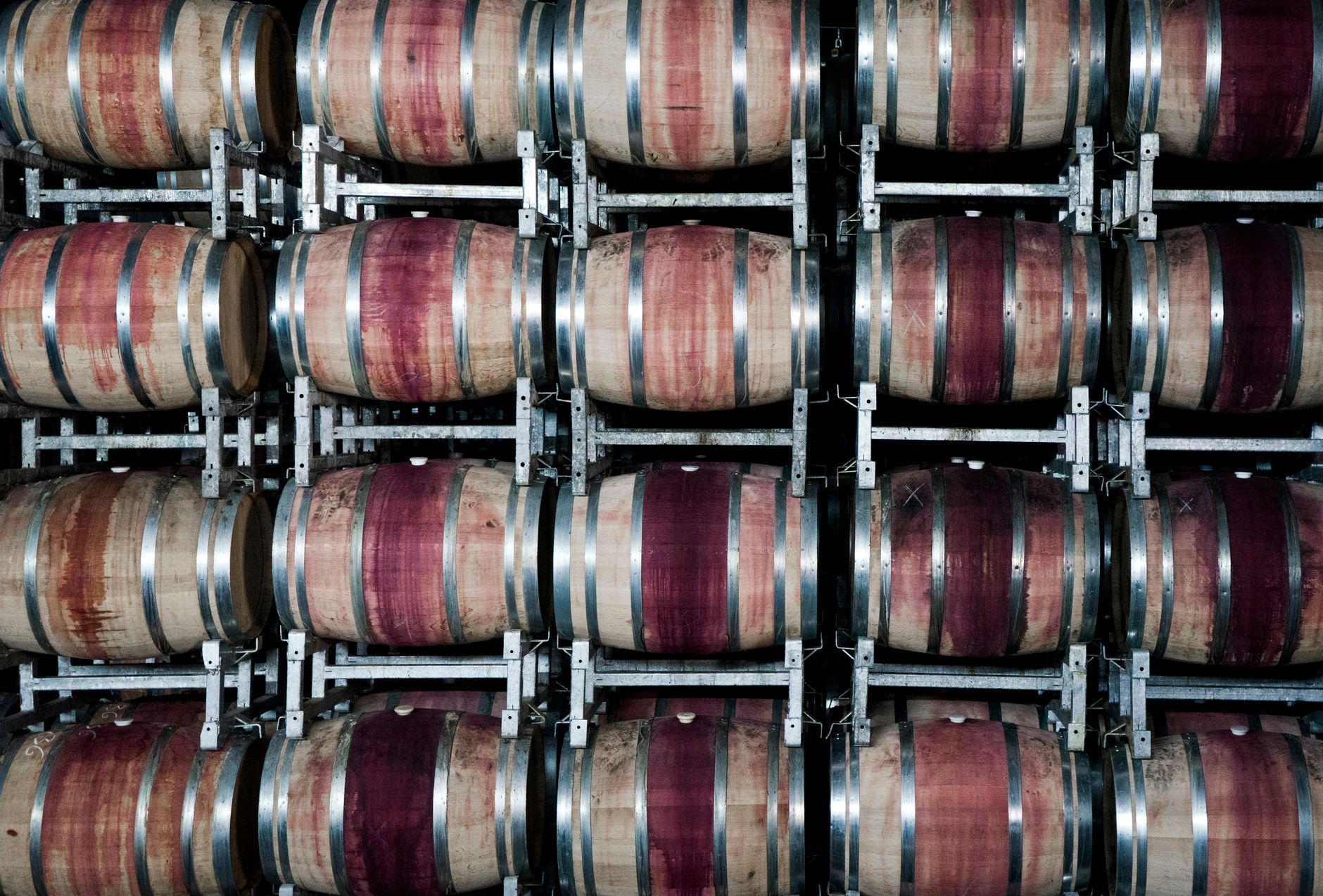
Oak is one of the most recognizable winemaking influences, but it does more than add vanilla or toast. Oak vessels can affect aroma, flavor, texture, oxygen exposure, tannin integration, and aging. The result depends on barrel size, age, toast level, oak origin, time in vessel, and the wine itself.
New oak and used oak
New oak has the strongest flavor impact. It can contribute notes of vanilla, baking spice, clove, cedar, smoke, toast, coconut, chocolate, coffee, or caramel, depending on the barrel and wine. Used oak contributes less obvious flavor because many extractable compounds have already been taken up by previous wines.
A producer may use a small percentage of new oak, all new oak, mostly used oak, large old casks, or no oak at all. The choice should support the wine rather than dominate it.
Size matters
Small barrels expose more wine to wood surface area than large casks. A 225-liter barrique has a different effect from a large foudre or botti. Larger vessels may allow slow oxygen exchange and maturation without strong new-oak flavor.
This is why some wines are aged "in oak" but do not taste obviously oaky.
Oxygen exchange
Oak is slightly porous. During barrel aging, tiny amounts of oxygen can interact with the wine. This can help soften texture, integrate tannin, and develop complexity. Oxygen exposure must be managed carefully; too much can flatten fruit or lead to oxidation.
Fermentation in oak
Some wines ferment in oak rather than simply age in it. Barrel fermentation is common for certain Chardonnay styles. Fermenting in oak can integrate oak influence differently from placing finished wine into barrels after fermentation.
Oak alternatives
In some production contexts, oak chips, staves, or other oak adjuncts may be used to add oak character without traditional barrel aging. Rules vary by region and category. EoW should avoid implying that all oak influence comes from barrels.
What this means in the glass
Oak influence can be subtle or obvious. If a wine smells like vanilla, toast, baking spice, cedar, smoke, coconut, or mocha, oak may be involved. But the absence of those aromas does not mean no oak was used. Older, larger, or neutral oak can shape mouthfeel and development quietly.