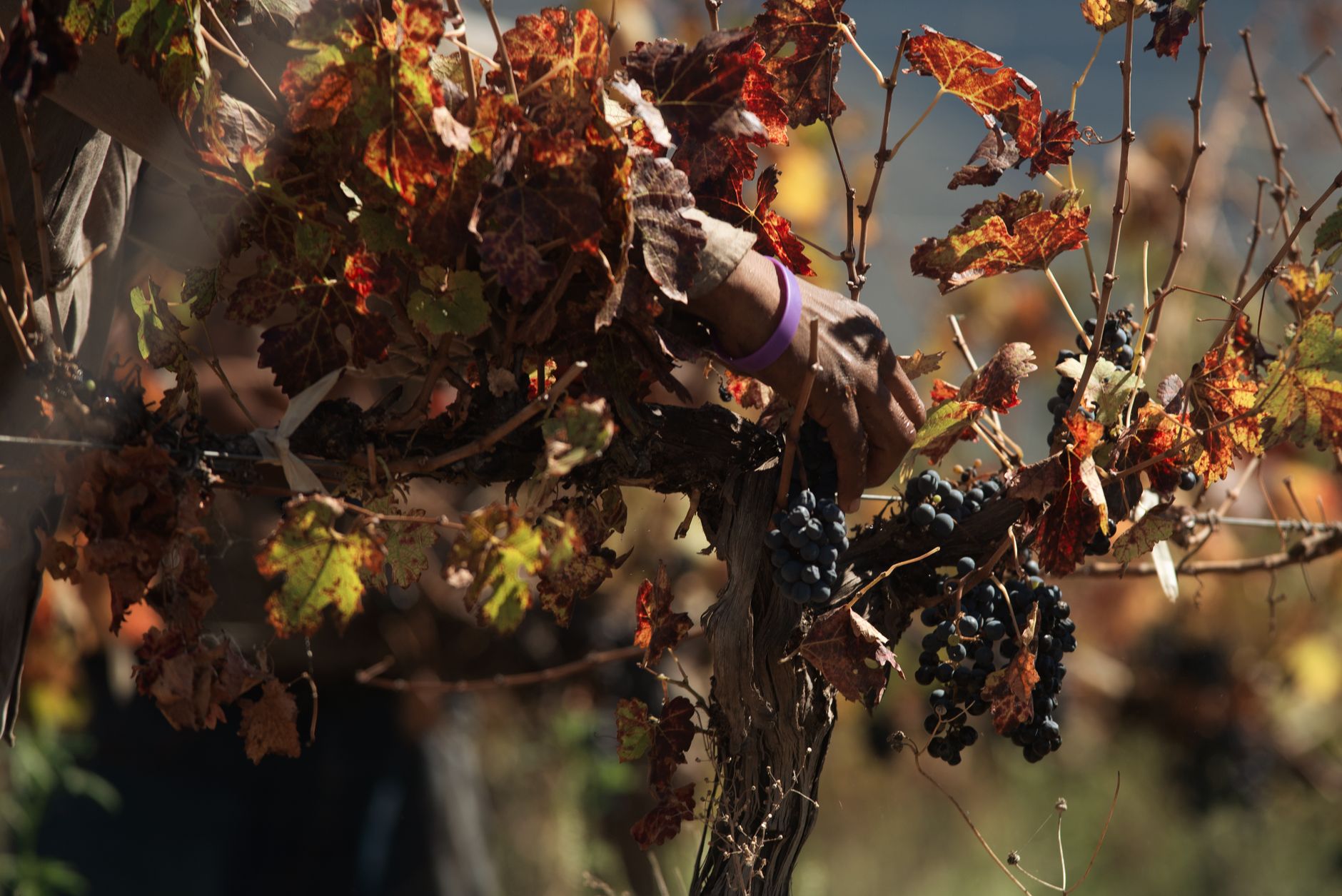
Harvest timing is one of the most important decisions in wine. Grapes change quickly as they ripen. Sugar rises. Acidity often falls. Flavors develop. Tannins mature. Disease pressure may increase. Weather can shift the decision overnight.
Picking earlier or later can change the entire style of a wine.
Sugar and potential alcohol
As grapes ripen, sugar accumulates. During fermentation, yeast converts sugar into alcohol. Riper grapes usually produce wines with higher potential alcohol, unless the producer intervenes or fermentation stops early.
Higher alcohol can add body and warmth. Lower alcohol can feel lighter and fresher. Neither is automatically better. The best choice depends on grape, region, vintage, and target style.
Acidity and freshness
Acidity is central to balance. It helps wine feel bright, refreshing, and food-friendly. In many regions, acidity decreases as grapes ripen. If grapes are picked too late, the wine may feel soft or heavy. If picked too early, it may taste thin, green, or sharp.
Cool-climate regions often rely on acidity as a defining feature. Warm regions may manage canopy, irrigation, harvest timing, and site selection to preserve freshness.
Flavor ripeness
Sugar ripeness and flavor ripeness are related but not identical. Grapes may have enough sugar but still taste green, herbal, or simple. In other cases, grapes may develop rich flavors while still retaining acidity.
This is why harvest decisions are not made by a single number. Producers taste grapes, monitor sugar, acidity, pH, seed and skin maturity, weather forecasts, disease pressure, and desired wine style.
Tannin maturity
For red wines, tannin maturity matters. Unripe tannins can feel hard, bitter, or green. Very ripe fruit may bring softer tannins but also higher alcohol and lower acidity. Balancing these factors is one of the hardest parts of red-wine production.
Weather and risk
Rain before harvest can dilute grapes or encourage rot. Heat spikes can push sugar up quickly or dehydrate fruit. Frost, hail, wildfire smoke, and disease pressure can force difficult decisions. Vintage variation is not a marketing slogan; it reflects real growing-season conditions.
What this means in the glass
Early-picked wines may show lower alcohol, higher acidity, lighter body, and fresher flavors. Later-picked wines may show riper fruit, fuller body, softer acidity, and higher alcohol. The line between balanced ripeness and over-ripeness depends on the grape, place, and style.