Climate change affects wine through heat, drought, extreme weather, ripening patterns, vineyard geography, and adaptation choices.
Why wine is sensitive to climate
Wine grapes are highly responsive to temperature, water availability, sunlight, humidity, and seasonal timing. That is why the same grape can taste different in a cool coastal site, a warm inland valley, or a high-elevation desert vineyard. Climate change matters because it shifts those baseline conditions and increases the importance of extreme events.
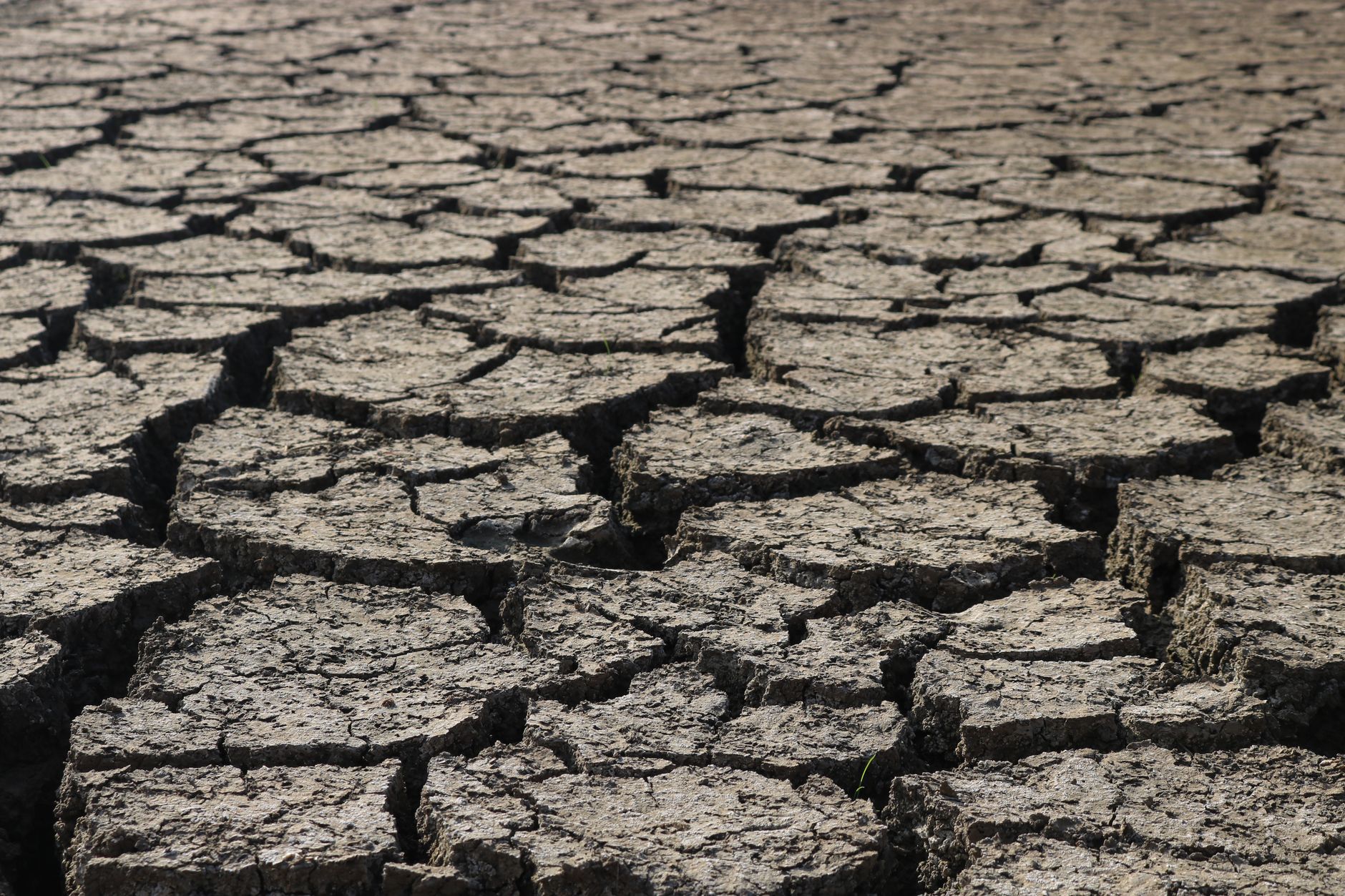
Warmer growing seasons can speed ripening, raise sugar levels, reduce acidity, alter aroma development, and change harvest timing. Drought can limit canopy function and yield. Heat spikes can damage fruit. Heavy rain near harvest can increase disease pressure or dilute fruit. Frost and hail can sharply reduce a crop in a single event.
Changing wine geography
Climate change does not affect every wine region in the same way. Some cooler areas may become more reliable for ripening certain grapes. Some warm and dry areas may face greater water stress, higher heat risk, and pressure to change vineyard practices or varieties. Established regions may adapt through canopy management, rootstock selection, drought-tolerant varieties, altitude, aspect, irrigation, harvest timing, and cellar adjustments.
It is tempting to say that one region “wins” while another “loses.” That is too simple. New suitability can come with new risks, and historic regions may have deep technical, cultural, and regulatory tools for adaptation.
What consumers may notice
Consumers may notice earlier harvest dates, higher average alcohol, riper fruit flavors, changing grape varieties, new regions appearing on shelves, or familiar regions experimenting with shade, altitude, irrigation, or different clones. But a single bottle should not be treated as proof of climate change. Climate is a long-term pattern; vintage variation still matters.