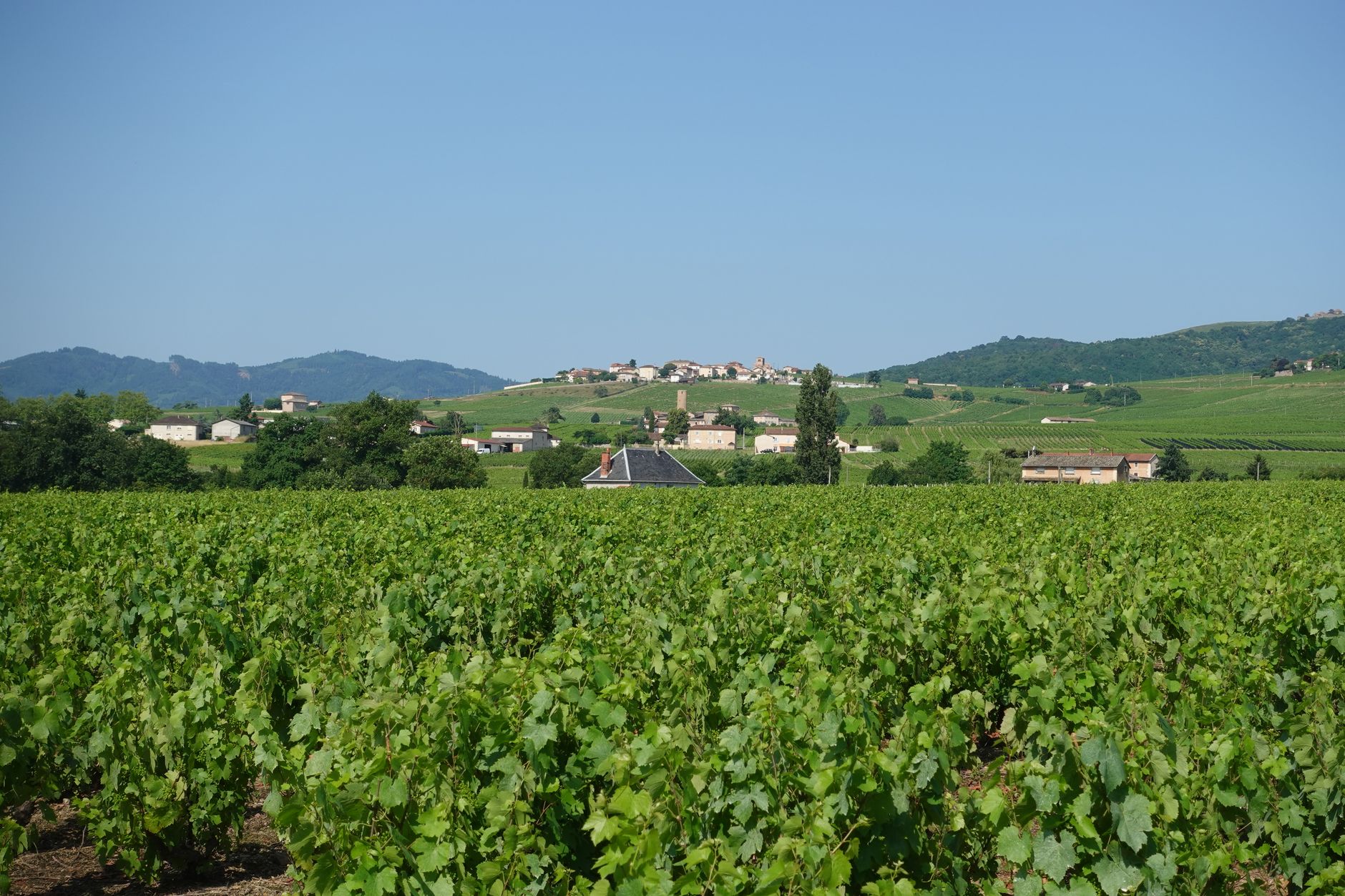
Burgundy travel is a lesson in place hierarchy: region, village, vineyard, climat, and the way names on labels map to tiny pieces of land.
Why this region matters
Burgundy is one of the world's most important places for understanding terroir as a cultural and legal idea. Its famous complexity becomes manageable when visitors focus on hierarchy and geography rather than trying to memorize every producer.
For EoW, Burgundy travel should introduce climats, villages, and classification language carefully. The goal is not to make readers experts; it is to help them understand why a small vineyard name can matter so much.
How to read the landscape
The Côte de Nuits and Côte de Beaune are central to the UNESCO-listed climats landscape, where precisely delimited vineyard parcels are tied to geology, exposure, grape type, and long human cultivation.
Travelers should learn to read slopes, village signs, stone walls, and vineyard parcels. Burgundy's beauty is quiet, but the intellectual structure is deep.
Wine styles to understand before you go
Pinot Noir and Chardonnay dominate the most famous Burgundy narratives, but Aligoté, Gamay, Crémant de Bourgogne, and regional appellations also belong to the region's real wine life.
Comparative tasting can show village-level differences, but beginners should avoid overclaiming. Vintage, producer, farming, winemaking, and bottle age also shape style.
Appellations, subregions, and place names
Chablis, the Côte d'Or, Côte Chalonnaise, Mâconnais, and Beaujolais-related contexts should be separated carefully. EoW should avoid collapsing the entire region into the Côte de Nuits and Côte de Beaune alone.
The article should link to glossary terms such as climat, premier cru, grand cru, village wine, monopole, lieu-dit, and AOC/AOP.
How visits tend to work
Burgundy visits may involve small domaines, village cellars, wine shops, and educational walks through vineyard landscapes. Some domaines are not built for drop-in tourism.
Evergreen guidance should encourage advance planning and respect for working vineyard villages without naming specific estates.
Food, culture, and local context
Burgundy wine travel is also cultural landscape travel. Stone villages, vineyards, cellars, gastronomy, and long legal/history layers all contribute to understanding the wines.
The best EoW framing is interpretive: teach visitors what they are looking at.
Common mistakes to avoid
- Do not treat Burgundy as only luxury wine.
- Do not use grand cru as a general synonym for good.
- Do not oversimplify climats as mere microclimates.
- Do not suggest that a single visit can make the hierarchy obvious.