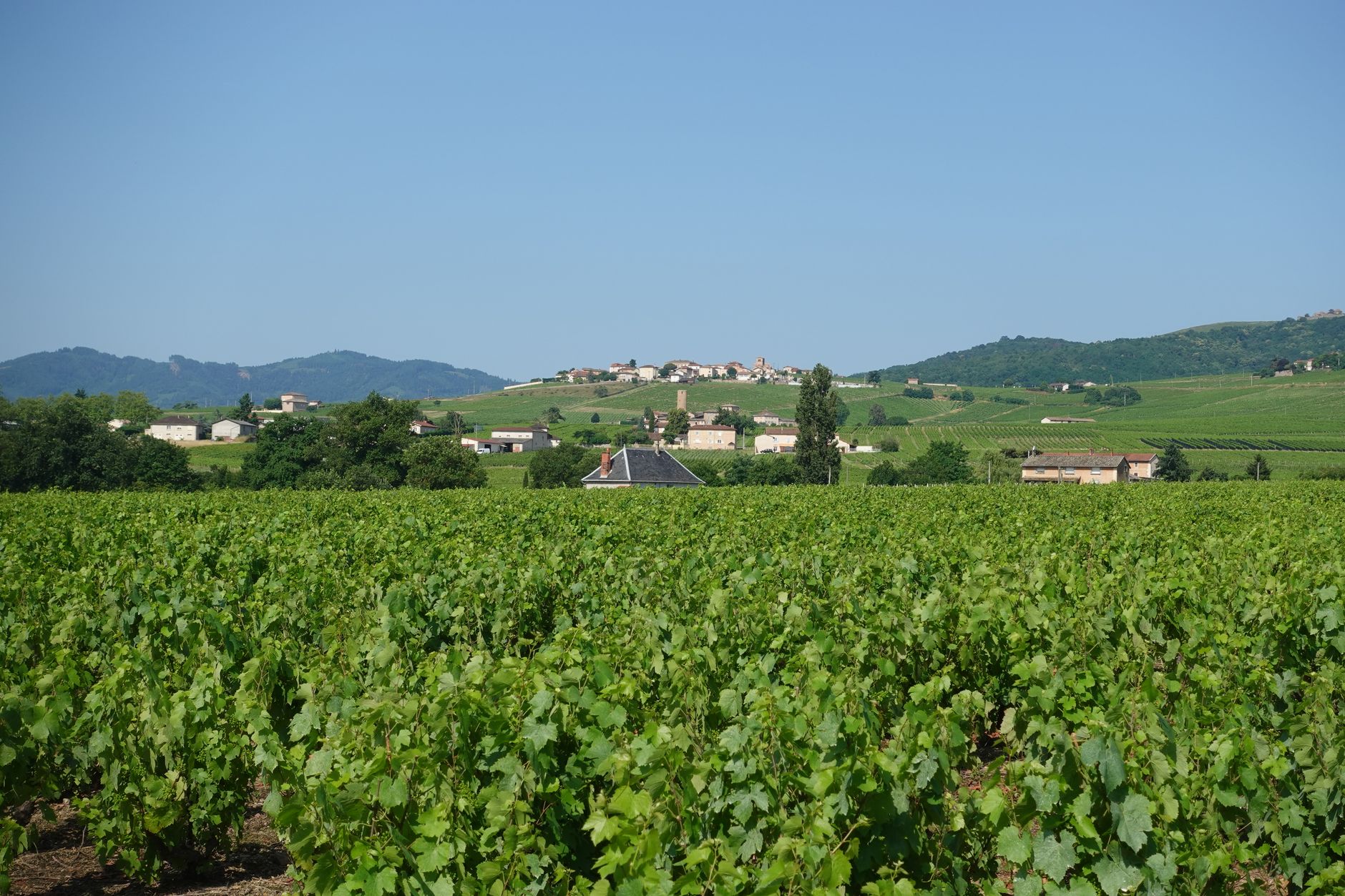
The practical takeaway is that Burgundy's hierarchy is a ladder of place. The more specific the place-name, the narrower the legal origin. Regional Bourgogne is broad. Village appellations such as Meursault or Gevrey-Chambertin are more specific. Premier Cru identifies recognized vineyard sites within a village. Grand Cru names the most prestigious vineyard appellations. The grape may matter, but the label is organized around origin.
At the base are regional appellations. These include broad names such as Bourgogne, Bourgogne Chardonnay, Bourgogne Pinot Noir, and other regional designations. Grapes may come from a wide area within Burgundy, depending on the specific appellation rules. Regional wines are not automatically simple, but they are the broadest category and usually the most accessible.
Village appellations narrow the origin to a commune or village area. Chablis, Gevrey-Chambertin, Vosne-Romanée, Chambolle-Musigny, Nuits-Saint-Georges, Pommard, Meursault, Puligny-Montrachet, and Chassagne-Montrachet are examples. A village name tells you more than “Burgundy” because it carries expectations about soil, slope, exposure, grape emphasis, and style. Still, quality varies by producer and vineyard source.
Premier Cru sits above village level. These are officially recognized vineyard sites, or climats, within a village appellation. A label might say “Meursault Premier Cru” followed by a vineyard name, or it might blend multiple Premier Cru sites from the same village under the village Premier Cru designation. Premier Cru usually signals greater site reputation, concentration, and price, but it remains below Grand Cru.
Grand Cru is the top vineyard level. In Burgundy, many Grand Cru names stand alone as appellations: Chambertin, Romanée-Conti, Montrachet, Corton, and others. The village may not appear prominently because the vineyard name itself is the appellation. Grand Cru sites are few, famous, and expensive, but they still depend on producer, vintage, farming, and cellar work.
The hierarchy is easiest to understand through Chablis. Petit Chablis and Chablis are broader categories. Chablis Premier Cru identifies recognized slopes with stronger reputation. Chablis Grand Cru refers to a small group of top climats on one hillside. The grape is Chardonnay throughout, but origin changes the legal and market meaning.
The Côte d'Or adds complexity because red and white grapes are distributed differently. The Côte de Nuits is famous for Pinot Noir, though not exclusively. The Côte de Beaune includes major white-wine villages such as Meursault, Puligny-Montrachet, and Chassagne-Montrachet, but also important reds such as Pommard and Volnay. The hierarchy applies across colors, but each village has its own rules.
Burgundy also uses the idea of climats more intensely than many regions. A climat is a named vineyard place with a recognized identity built from soil, slope, drainage, exposure, and history. Two vineyards separated by a road can have different reputations. That is why Burgundy labels can feel like geography lessons. The region asks drinkers to care about precise origin.
This hierarchy is not the same as a guarantee of enjoyment. A good producer's village wine can outperform a weak Grand Cru. A regional wine from excellent farming can be more pleasurable than an expensive bottle opened too young. Vintage also matters. Burgundy is sensitive to frost, hail, heat, rain, and harvest timing.
For learners, the best approach is to read Burgundy labels from broad to narrow. Identify the producer, region, village, vineyard level, grape, and vintage. Then ask what the hierarchy is telling you and what it is not. It tells you legal origin and relative site status. It does not tell you whether the wine is ready, whether you will like the style, or whether the price is fair. Burgundy's hierarchy is a map, not a verdict.
Another useful point is that Burgundy classification attaches to land, not to a producer in the Bordeaux château sense. Many producers may own or farm parcels within the same Premier Cru or Grand Cru vineyard. That means two bottles with the same vineyard name can differ dramatically. Producer is often as important as classification level.
The hierarchy also explains why Burgundy can be expensive and confusing. Production from famous sites is tiny, ownership is fragmented, and global demand is high. Learning the ladder does not make Burgundy simple, but it gives structure to the label. Start with regional, village, Premier Cru, and Grand Cru. Then add producer, vintage, and vineyard detail as your confidence grows.