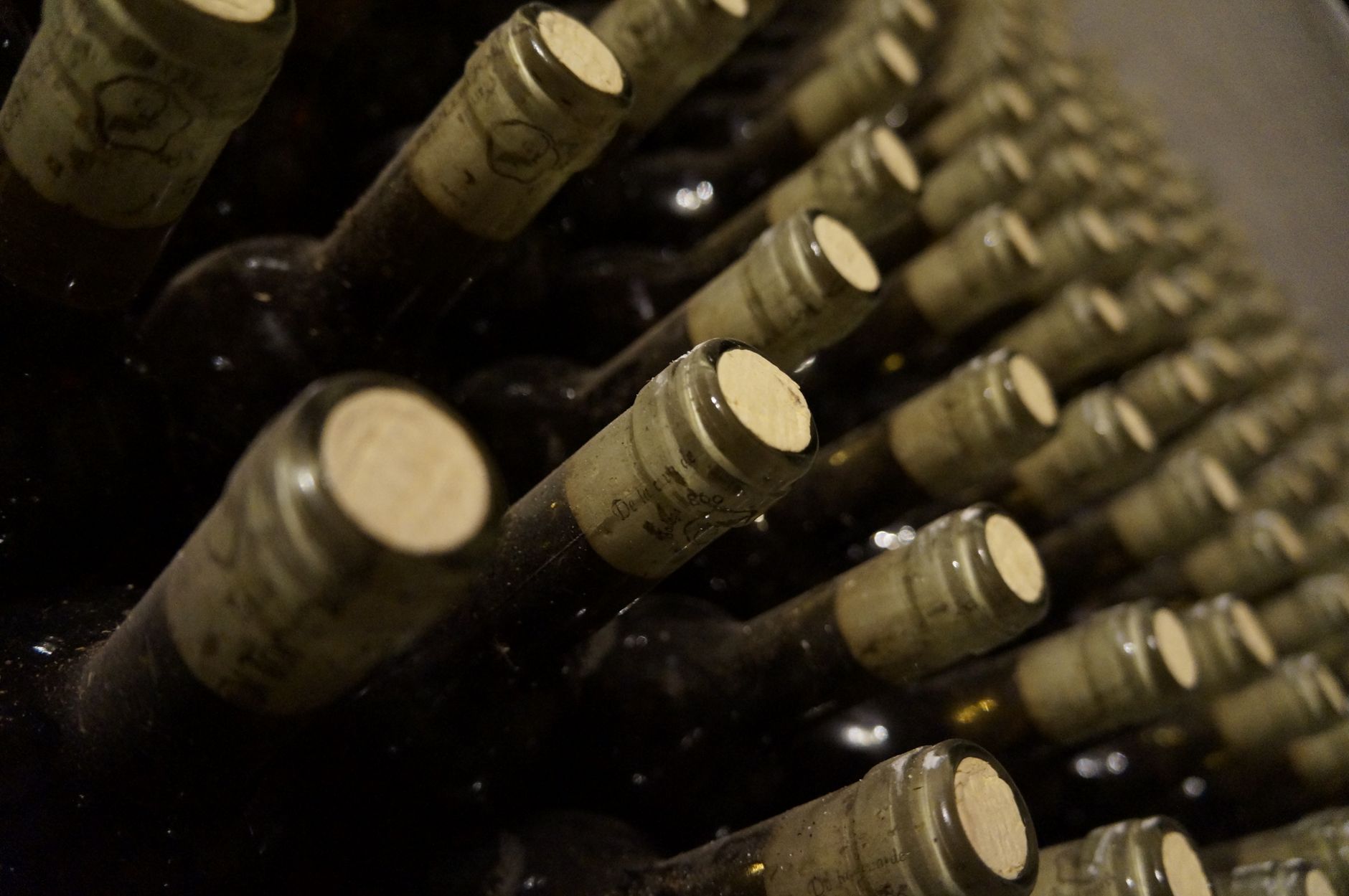
Bottling is not just packaging. It is the moment a wine leaves the relative flexibility of tank, barrel, or cask and enters a sealed environment. Decisions made at bottling can affect freshness, stability, aging, and how the wine performs for the consumer.
Preparing for bottling
Before bottling, a producer may blend, settle, filter, fine, stabilize, adjust sulfur dioxide, and check microbial risk. Wines with residual sugar or unfinished malolactic fermentation require particular care because they may be vulnerable to refermentation or microbial spoilage.
Some wines are bottled with minimal intervention and may be cloudy or contain sediment. Others are polished for clarity and consistency. Both approaches can be valid when the wine is stable and sound.
Oxygen at bottling
Oxygen pickup during bottling must be managed carefully. Too much oxygen can shorten freshness and contribute to premature oxidation. Too little oxygen in certain contexts can contribute to reductive aromas. Closure choice also affects the oxygen environment after bottling.
Cork
Natural cork has a long history and remains important for many ageworthy wines. It allows small amounts of oxygen transmission, though individual corks vary. Cork can also carry the risk of cork taint, most commonly associated with TCA, which can mute fruit and create musty aromas.
Screwcap
Screwcap closures are widely used and can preserve freshness reliably. They are not only for inexpensive wine. Some high-quality wines use screwcap, especially in regions where the closure is well accepted. Different liners can allow different oxygen transmission rates.
Synthetic and technical closures
Synthetic corks, agglomerated corks, technical corks, glass closures, and other systems exist. Each has tradeoffs in cost, oxygen management, sustainability, consumer expectation, and aging behavior.
Bottle aging
Wine changes in bottle through slow chemical reactions. Primary fruit may soften. Tertiary notes can develop: dried fruit, nuts, honey, leather, tobacco, mushroom, earth, spice, or savory complexity. Not all wine improves with age. A wine needs enough concentration, acidity, structure, balance, and stability to benefit.