The practical takeaway is that noble rot is a beneficial form of Botrytis cinerea, a fungus that can shrivel grapes and concentrate sugar, acid, and flavor. Under the right conditions it helps create some of the world's greatest sweet wines. Under the wrong conditions it becomes gray rot, a destructive disease that ruins fruit. The difference is weather, timing, grape condition, and selection.
Botrytis needs moisture to develop and dry conditions to become noble. Morning mist, river humidity, or autumn fog can encourage the fungus to penetrate grape skins. Sunny, breezy afternoons then dry the berries, concentrating the juice without letting rot spread destructively. This pattern is classic in regions such as Sauternes, Tokaji, parts of the Loire, and some German vineyards in suitable years.
As the grape shrivels, water evaporates and sugar concentration rises. Acidity also becomes more intense, which is crucial because sweet wines without acidity taste heavy. Botrytis changes aroma too. It can add notes of honey, saffron, ginger, marmalade, apricot, dried citrus peel, mushroom, beeswax, and spice. The best noble-rot wines feel sweet, but they also feel alive.
Not every grape is equally suited. Sémillon is famous in Sauternes because its thin skins and waxy texture make it receptive to botrytis. Sauvignon Blanc adds acidity and aroma in Bordeaux sweet wines. Furmint is central in Tokaji because it keeps acidity and handles concentration. Chenin Blanc in the Loire can make botrytized wines with intense acidity and honeyed depth. Riesling can produce noble sweet wines in Germany and Austria when conditions permit.
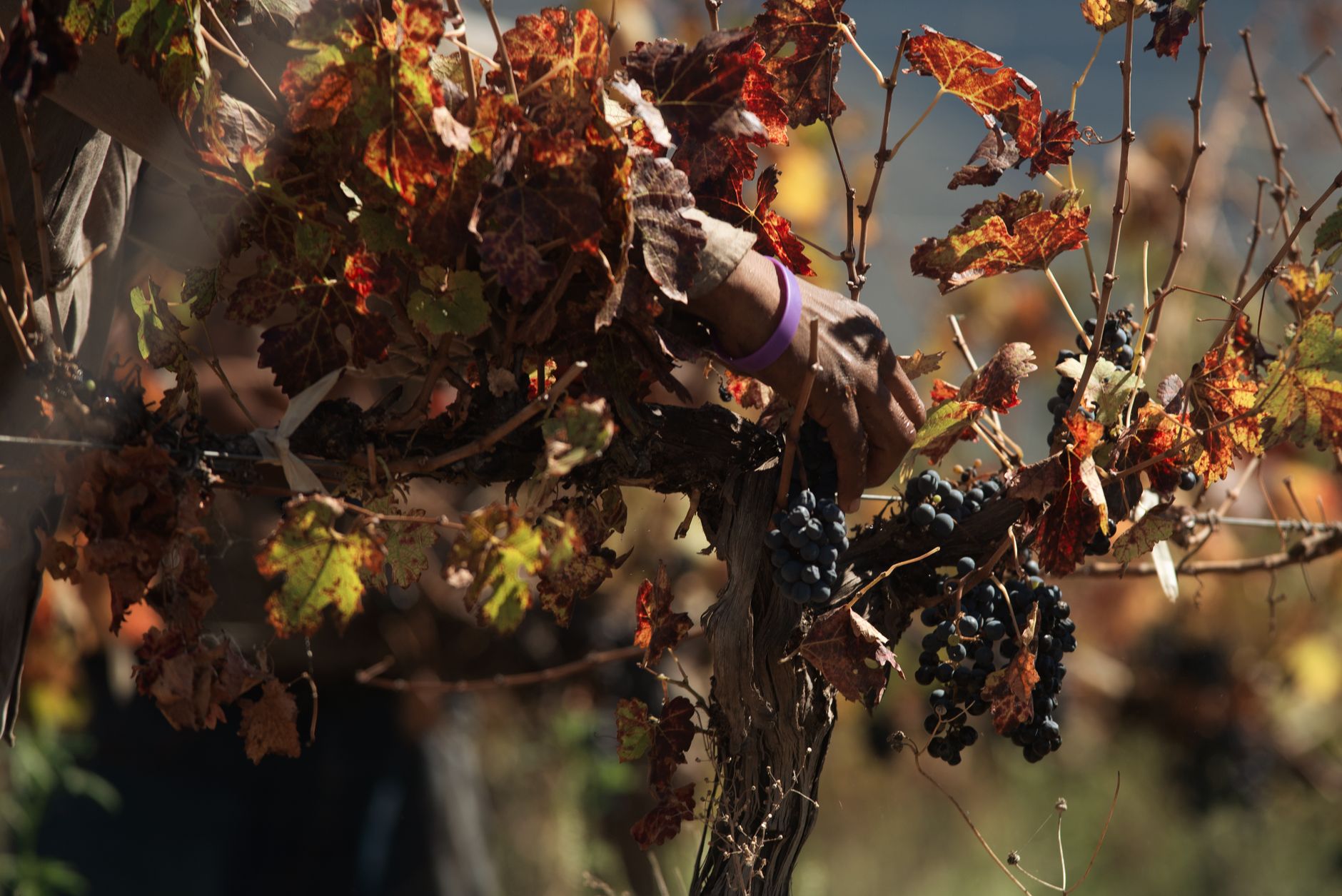
Harvest is slow and expensive. Pickers may pass through the vineyard several times, selecting only berries affected in the right way. One vine may produce tiny amounts of usable juice. Fermentation can be difficult because high sugar stresses yeast, and the final wines often retain significant residual sugar. This helps explain why great botrytized wines are rare and costly.
Botrytis is not the only way to make sweet wine. Grapes can be dried after harvest, frozen naturally for ice wine, fortified during fermentation, or simply harvested very ripe. Noble rot is distinctive because it is biological concentration plus aromatic transformation. It does not just make grapes sweeter; it changes the flavor architecture.
The risk is gray rot. If wet weather persists and grapes do not dry, Botrytis cinerea can spread as a damaging mold. Berries split, flavors decay, and sour or moldy notes develop. In red grapes, botrytis is usually unwelcome because it can damage color, tannin, and clean fruit expression. Even in sweet-wine regions, producers may reject fruit when conditions are wrong.
Classic noble-rot wines can age for decades because sugar, acidity, and concentration preserve them. Sauternes, Barsac, Tokaji Aszú, Quarts de Chaume, Bonnezeaux, German Beerenauslese, and Trockenbeerenauslese are key reference points. Over time, fruit flavors may evolve toward caramel, tea, saffron, nuts, dried apricot, and spice while acidity keeps the wine from feeling static.
At the table, noble-rot wines are more versatile than “dessert wine” suggests. They can pair with fruit tarts, custards, blue cheese, foie gras, spicy dishes, or salty nuts. The best examples balance sweetness with acidity and complexity. Noble rot is one of wine's great paradoxes: a fungus, carefully controlled, can turn damaged-looking grapes into extraordinary wine.
Botrytis also changes picking economics. A vineyard may need many passes, called tries in some French contexts, because berries do not become nobly rotten all at once. Pickers select shriveled berries and leave others for later. This increases labor costs and reduces yield, but it allows the final wine to carry concentration without simply tasting overripe.
The visual appearance can be misleading. Noble-rot grapes may look ugly: shriveled, brown, dusty, and unpromising. Their value is inside the berry, where sugar, acid, and aroma have concentrated. This is one reason noble-rot wine is a strong teaching example. Wine quality is not always about perfect-looking fruit. It is about the right transformation for the intended style.