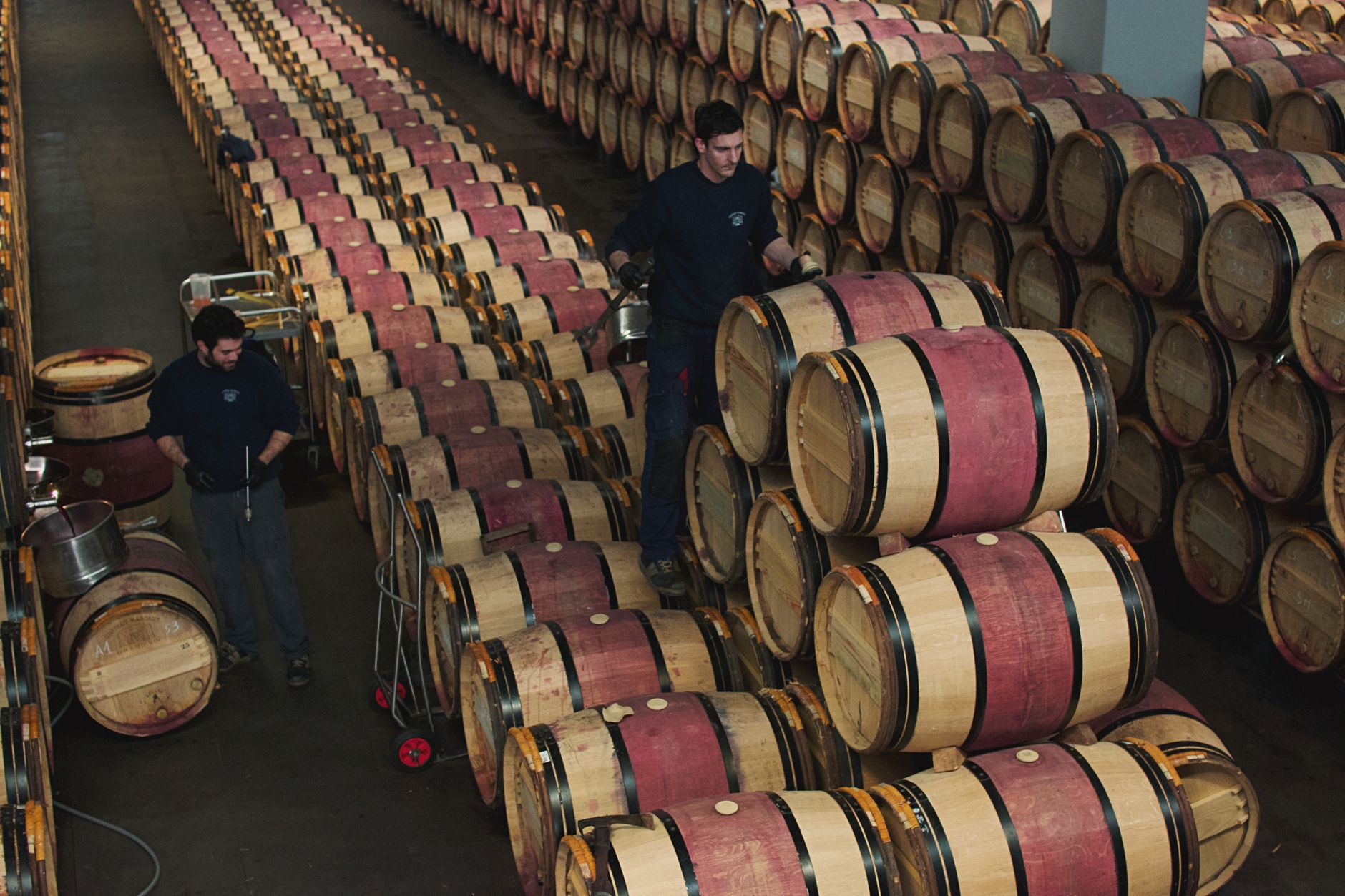
The practical takeaway is that the Bordeaux 1855 Classification is a ranking of estates, not a ranking of appellations and not a general quality guarantee for every Bordeaux wine. It was created for the Exposition Universelle de Paris in 1855 and remains one of the most famous classification systems in wine. Its influence is enormous, but it is often misunderstood.
The classification mainly covers red wines from the Médoc, with one major exception: Château Haut-Brion from Graves, now within the Pessac-Léognan appellation. The ranked estates are divided into five growths, or crus classés, from First Growth to Fifth Growth. The sweet wines of Sauternes and Barsac were also classified, with Château d'Yquem placed in its own top category as Premier Cru Supérieur.
The ranking was based largely on market reputation and price at the time. That does not make it meaningless. Price reflected how merchants and buyers valued estates over many years. But it also means the classification is historical and commercial, not a modern blind-tasting league table. With only rare changes, the list has remained essentially fixed even as ownership, vineyard holdings, winemaking, and quality have evolved.
This distinction matters for appellation content. Margaux AOC, Pauillac AOC, Saint-Julien AOC, Saint-Estèphe AOC, and other Bordeaux appellations are legal origin designations. The 1855 Classification is an estate classification layered on top of those places. A bottle can be from Pauillac without being a classed growth. A classed growth can make more than one wine. The appellation tells you where the grapes were grown under AOC rules; the classification tells you something about the historic status of a particular château.
The five red-wine tiers are often called First Growth, Second Growth, Third Growth, Fourth Growth, and Fifth Growth. The First Growths are especially famous, but the lower tiers include many important estates. The classification is not a complete map of Bordeaux quality. It excludes Pomerol entirely, even though Pomerol includes some of the world's most celebrated wines. Saint-Émilion has its own separate classification history. Graves has a separate classification. Cru Bourgeois is another Médoc category with its own development.
The 1855 system still affects price, prestige, tourism, and education. It gives Bordeaux a dramatic hierarchy that is easy to remember and hard to ignore. It also risks making learners think that Bordeaux is only about elite châteaux. In reality, Bordeaux includes everyday regional wines, dry whites, sweet wines, Right Bank Merlot-based reds, Left Bank Cabernet-based reds, and many estates outside famous rankings.
For tasting, the classification should be treated as context, not a conclusion. A First Growth from a weak vintage may be less enjoyable than a lower-ranked estate from a strong vintage or a bottle at the right stage of maturity. Storage, producer practice, second wines, and personal taste matter. Classification can suggest ambition and history, but it does not drink the bottle for you.
The 1855 Classification remains useful because it explains how Bordeaux became a global reference for wine hierarchy, branding, and long-term market value. It also shows the difference between law, commerce, and culture. AOC rules define origin. Classification defines historical estate status. Reputation defines market expectation. The wine in the glass is where all three meet.
The classification also has a political and cultural afterlife. It helped turn château names into luxury brands, encouraged global collectors to think in hierarchies, and made Bordeaux a model for wine regions that wanted formal prestige systems. It also created frustration because quality has changed over time while the ranking has barely moved.
For EncyclopediaOfWine, the safest teaching frame is separation. Bordeaux AOCs are legal places. The 1855 Classification is a historical estate ranking. Vintage charts are weather-and-quality summaries. Market price reflects demand, scarcity, reputation, and fashion. These layers overlap, but they are not the same. Understanding that separation makes Bordeaux less mysterious and prevents classification from replacing actual tasting.