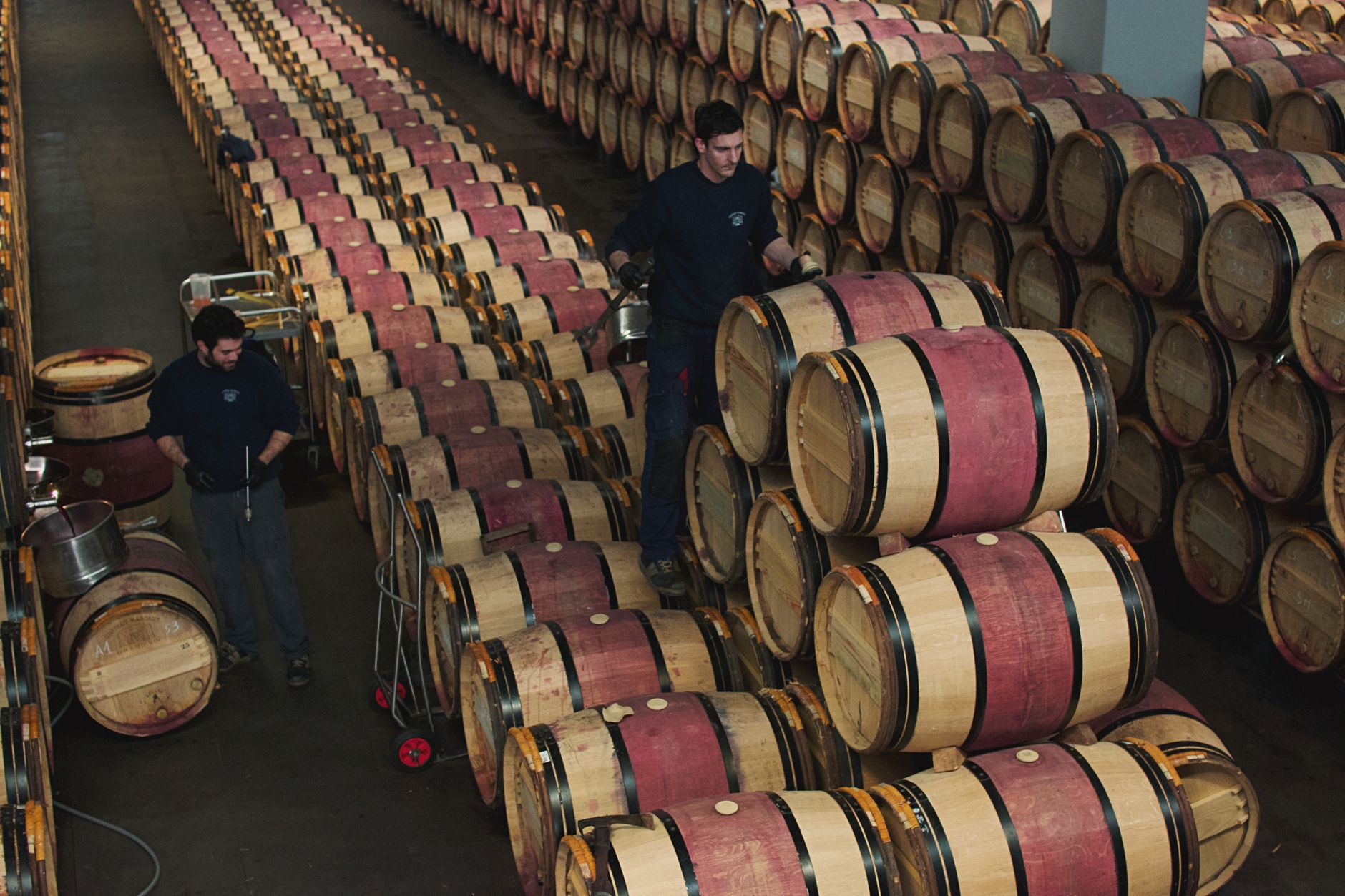
Blending is one of the most important and misunderstood parts of wine. Many drinkers think of blending only as mixing different grape varieties. That is one kind of blending, but not the only one. Producers may blend grape varieties, vineyard parcels, barrels, press fractions, fermentation lots, clones, villages, or even vintages in certain categories.
Blending is not a shortcut or a sign of lower quality. Some of the world's most respected wines are blends. Bordeaux, Champagne, Rioja, Châteauneuf-du-Pape, Port, Sherry, many Rhône wines, many Super Tuscans, and countless New World wines depend on blending decisions.
Why producers blend
Blending can build balance. One component may bring aroma, another structure, another color, another acidity, another body. A Cabernet Sauvignon lot might contribute tannin and black-fruit depth, while Merlot adds softness and mid-palate. In sparkling wine, reserve wines and base-wine components may be assembled to create house style and consistency.
Blending can also respond to vintage variation. If one parcel ripens differently from another, blending gives the producer more tools.
Varietal wine can still be blended
A wine labeled as a single variety may still contain other varieties depending on local law. Many jurisdictions allow a wine to carry a varietal name if it meets a minimum percentage threshold. The exact percentage and rules vary by country and category.
Even a 100% varietal wine may be blended from different barrels, vineyard blocks, clones, or pick dates. A label that says Chardonnay or Cabernet Sauvignon does not mean the wine came from one tank or one row of vines.
Blending and origin claims
Blending is connected to label law. Vintage, variety, and geographical-indication claims often depend on minimum composition rules. These rules differ by jurisdiction. For example, Wine Australia publishes blending rules tied to vintage, variety, and GI claims, monitored through its Label Integrity Program.
For EoW, this means articles should avoid global claims such as "a varietal wine must be 75% of the named grape" unless the jurisdiction is clearly specified.
Final blending
Many wines are assembled after fermentation and aging. A producer may taste through barrels or tanks and decide which lots belong in the final wine. Some lots may go into a flagship bottling, others into a second wine, regional wine, or another blend.
This is one reason two wines from the same producer and vintage can differ dramatically.
What this means in the glass
A blend can be simple or profound. A varietal wine can be blended in several ways. The important question is not whether a wine is blended, but whether the components work together. Good blending can make a wine more complete, balanced, and expressive.