The practical takeaway is that most wine is meant to be drunk young. Aging is not automatically an upgrade. A wine improves with age only if it has the structure, concentration, balance, and aromatic material to become more interesting over time. Many fresh whites, rosés, light reds, and everyday bottles are at their best within a year or two of release.
Age changes wine in several ways. Primary fruit aromas become less dominant. Fresh grape and fermentation notes may evolve into dried fruit, honey, nuts, leather, tobacco, earth, mushroom, spice, petrol, or savory complexity. Tannins can soften. Acidity may feel more integrated. Color changes too: reds move from purple or ruby toward garnet, brick, and tawny, while whites deepen from pale lemon toward gold and amber.
Structure is essential. For red wines, tannin and acidity help preserve shape. Cabernet Sauvignon, Nebbiolo, Syrah, Tempranillo, Aglianico, Sangiovese, Tannat, and some Pinot Noir can age well when grown and made for that purpose. For white wines, acidity is often the key. Riesling, Chenin Blanc, Chardonnay, Sémillon, Furmint, Assyrtiko, and some Albariño or Grüner Veltliner can age when they have sufficient concentration.
Sweetness can also preserve wine. Sauternes, Tokaji, Quarts de Chaume, German Auslese, Beerenauslese, Trockenbeerenauslese, and many sweet Rieslings can age for decades because sugar, acidity, and concentration support one another. Fortified wines such as Vintage Port, Madeira, and some Sherry styles age through a combination of alcohol, sugar, oxidation management, and production method. Madeira is famously durable because of its heat-aged, oxidative style.
Concentration matters as much as structure. A wine with high acidity but little flavor depth may simply become thin. A tannic red without fruit can dry out. Oak can help frame a wine, but oak flavor alone does not create ageworthiness. Balance at the beginning is a strong clue. If a young wine tastes painfully alcoholic, hollow, or disjointed, age may not fix it.
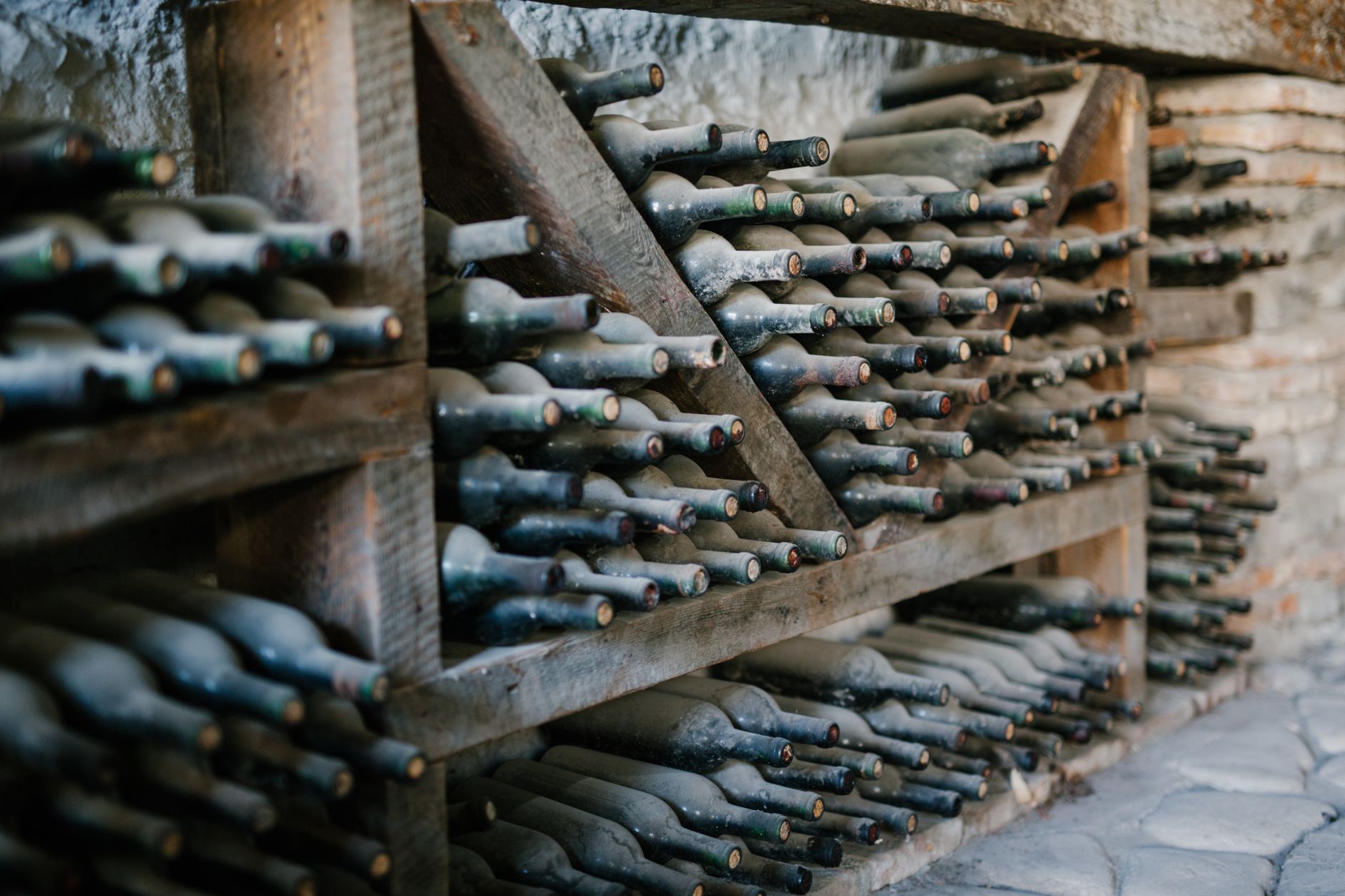
Storage is decisive. Heat is the enemy. A cool, stable environment around cellar temperature is ideal. Fluctuations, vibration, strong light, and dry corks can damage bottles. For most homes, a wine refrigerator is more reliable than a closet. A perfect wine stored badly may age worse than a modest wine stored well.
Closure matters but does not settle the question. Cork allows slow oxygen transfer and has a long tradition for cellar wines, but it can fail through cork taint or drying. Screw caps can preserve freshness and age certain wines well, depending on liner oxygen transmission. The real issue is whether the wine and closure were chosen for aging.
Price is a clue, not proof. Expensive wines are often built for aging, but some luxury wines are made to be plush and impressive early. Conversely, certain moderately priced Rieslings, Loire Chenins, Rioja Reservas, or traditional reds can age beautifully. Producer intent, region, grape, vintage, and storage matter more than price alone.
Aging also depends on taste. Some drinkers love mature aromas; others prefer fresh fruit. A ten-year-old wine is not better simply because it is older. It is different. The best way to learn is to buy multiple bottles of the same wine and open them over time. Notice when fruit fades, when complexity appears, and when the wine begins to decline.
The safest rule is to age wines with a track record and a clear structural reason. High acidity, firm tannin, meaningful sweetness, fortification, concentration, and balance all help. But the real goal is pleasure, not patience. A wine should be aged because time will reveal something, not because drinking young feels unsophisticated.
There is also a difference between aging in barrel and aging in bottle. Barrel aging happens before release and exposes wine to controlled oxygen, oak compounds, evaporation, and sometimes lees. Bottle aging happens in a sealed environment with very limited oxygen. A wine that spent time in oak is not automatically ready for long cellaring, and a wine made in stainless steel is not automatically short-lived.
Good cellar strategy is modest. Buy wines you already enjoy, store them properly, and open them at intervals. Keep notes. If the first bottle tastes perfect, do not assume the rest must be held forever. If it tastes too young but balanced, wait. The best cellar is not a museum. It is a patient pantry built around curiosity and actual drinking.